
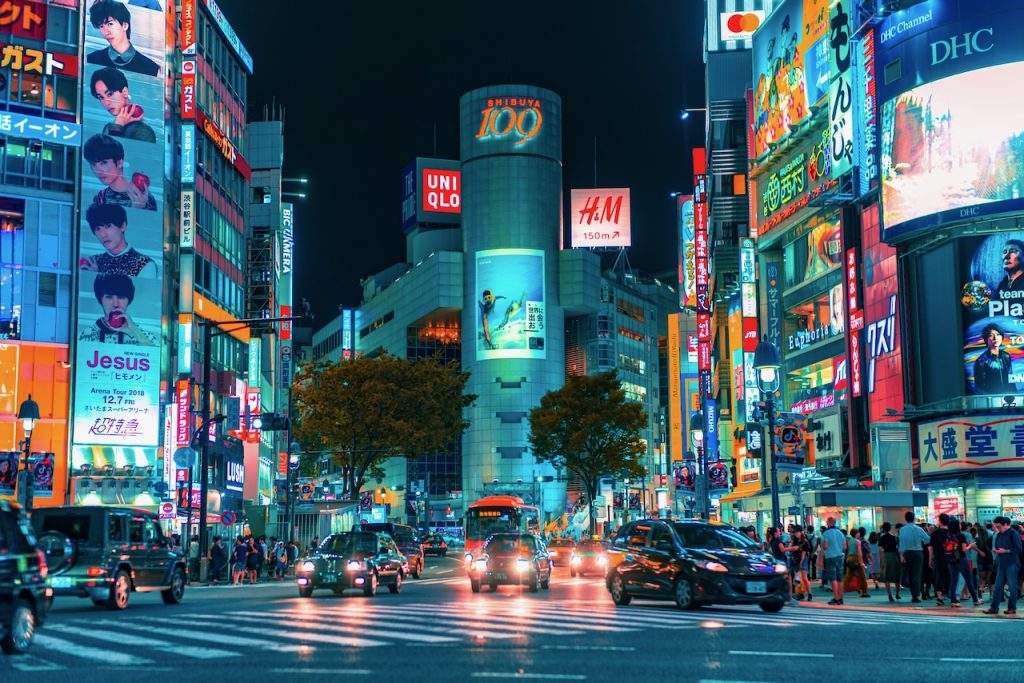
Japan, a beautiful archipelago in East Asia, is known for its rich history, stunning landscapes, and vibrant cities. With four main islands—Honshu, Hokkaido, Kyushu, and Shikoku—each area offers unique experiences, from the neon lights of Tokyo to the tranquil temples of Kyoto. Visitors are often fascinated by the blend of ancient traditions and modern conveniences.

Japanese Culture and Etiquette
Japanese culture is steeped in respect and harmony. Understanding local etiquette can enrich your Japan travel experience. Here are some key practices:
- Bowing: Instead of a handshake, bowing is a common form of greeting.
- Shoes Off: Always remove your shoes when entering homes and certain traditional establishments.
- Politeness: Use “sumimasen” (excuse me) and “arigatou gozaimasu” (thank you very much) frequently.
During my visit, I was touched by how a simple thank you brought a warm smile from shopkeepers, highlighting the hospitality that makes Japan truly special.
Best Time to Visit Japan
When planning your Japan travel, timing can make all the difference. The best times to visit are during spring (March to May) for the breathtaking cherry blossoms, and fall (September to November) when the leaves explode with color. Personally, witnessing a cherry blossom festival in Tokyo was magic—there’s something enchanting about picnicking under pink petals!
- Spring: Perfect for hanami (flower viewing).
- Fall: Ideal for scenic hikes and viewing foliage.
Read our guide on how to pack for a trip to Japan to ensure you’re prepared for your adventure!
Visa Requirements
Before packing your bags, check visa requirements. Most short-term travellers can enter Japan without a visa for stays up to 90 days, but it’s essential to confirm based on your nationality. You can typically apply through:
- Embassies or Consulates.
- Online for eVisas where applicable.
This preparatory aspect ensures a smooth journey, letting you focus on enjoying everything Japan has to offer.
Public Transportation
Navigating Japan is a breeze, thanks to its world-class public transportation system. The Shinkansen, or bullet train, is a highlight, whisking you from one city to another in no time. During my trip, hopping on a shinkansen from Tokyo to Kyoto was an unforgettable experience—smooth, punctual, and incredibly fast!
Purchase your Japan Train Tickets here and use my code TRAVELFORPHOEBEKLOOK for a discount.
- Subways: Efficient and extensive, especially in cities like Tokyo.
- Buses: Cover areas where trains might not reach.
- IC Cards: Get a rechargeable Suica or Pasmo card for hassle-free travel. Purchase yours here and use my code TRAVELFORPHOEBEKLOOK for a discount.
Renting a Car in Japan
While public transport is superb, renting a car can offer flexibility, especially in rural areas or when visiting places like Hokkaido. Renting a vehicle provides the freedom to explore picturesque landscapes at your own pace. Book your rental car in Japan here and use my code TRAVELFORPHOEBEKLOOK for a discount.
Here’s what to consider:
- International Driving Permit: Required for renting a car.
- Navigation: English GPS is available, making it easy to find your way.
Remember, driving in Japan is on the left side, so be cautious if you’re not used to that!
Hotels in Japan
Japan offers a myriad of hotel options, catering to all types of travelers. From luxurious hotels with breathtaking views to budget-friendly hostels, finding the perfect place to stay is easy. For instance, I stayed at a modern hotel in Tokyo that had a stunning rooftop bar, perfect for unwinding after a day of exploring.
- Luxury Hotels: Consider the Tokyo Peninsula or the Ritz-Carlton for a lavish experience.
- Business Hotels: Compact rooms with all necessary amenities for the business traveler.
- Capsule Hotels: A unique experience, great for solo travelers looking to save.
Traditional Ryokans
For a taste of authentic Japanese culture, consider staying in a ryokan. These traditional inns often feature tatami mat flooring, futons, and communal hot springs, providing a serene experience. I had the pleasure of staying in a ryokan in Kyoto, where I enjoyed a kaiseki dinner—a multi-course meal that was a feast for the eyes and palate.
- Onsen Ryokans: These offer relaxing hot spring baths.
- Cultural Experience: Many ryokans host tea ceremonies or traditional performances.
Staying in a ryokan can truly immerse you in Japan’s rich cultural heritage, making your trip unforgettable!
Must-Visit Destinations
Tokyo
As Japan’s bustling capital, Tokyo is a must-visit destination that perfectly blends the ultramodern with the traditional. From skyscrapers to historic temples, there’s something for everyone. During my visit, exploring the vibrant neighborhoods of Shibuya and Shinjuku was exhilarating—the neon lights and lively atmosphere are truly unforgettable.
- Senso-ji Temple: Tokyo’s oldest temple, located in Asakusa.
- Shibuya Crossing: Experience the world’s busiest pedestrian crossing.
- Tokyo Skytree: For panoramic views of the city.
Kyoto
Next, venture to Kyoto, the heart of Japan’s cultural heritage. Renowned for its stunning temples and charming streets, Kyoto offers a peaceful escape from the urban hustle. One evening, I wandered through the historic Gion district, hoping to catch a glimpse of Geishas, and it felt like stepping back in time.
- Kinkaku-ji (Golden Pavilion): A stunning Zen temple covered in gold leaf.
- Fushimi Inari Taisha: Famous for its thousands of vermilion torii gates.
- Arashiyama Bamboo Grove: An enchanting walk through towering bamboo stalks.
Osaka
Whatever you do, don’t skip Osaka, also known as the kitchen of Japan. This destination is renowned for its fun, vibrant culture and incredible street food scene. You’ll also find a wealth of cool neighbourhoods to explore and plenty fo great shopping to enjoy.
- Universal Studios Japan: An unmissable, action-packed theme park
- Kuromon Ichiba Market: The kitchen of Osaka, this incredible spot serves up unmissable street eats
- Dotonbori: Osaka’s famous shopping and nightlife district
Nara
A short train journey from Osaka or Kyoto, Nara is home to Japan’s famous deer population. You can easily visit this gorgeous city as a day trip from either spot or opt to stay 1-2 nights to explore a little deeper. The pace here is more laidback with charming cafes, beautiful scenery and plenty of opportunities to get up close and personal with the deer.
Experiencing Japanese Cuisine
Sushi and Sashimi
Japan is a food lover’s paradise, and no trip is complete without indulging in sushi and sashimi. These culinary delights showcase the freshest fish and seafood, beautifully presented. During my time in Tokyo, I had the chance to visit a small, local sushi bar where the chef prepared each piece right in front of me. The taste was indescribable—simple yet exquisite!
- Nigiri: Rice topped with a slice of fish.
- Maki: Rolled sushi with various fillings.
- Sashimi: Fresh, raw fish, often served with soy sauce and wasabi.
Ramen and Izakayas
Equally irresistible is ramen—a beloved noodle dish that comes in various regional styles. I’ll never forget slurping rich tonkotsu ramen in Fukuoka, where the broth was creamy and flavorful.
- Types of Ramen:
- Shoyu: Soy sauce-based broth.
- Miso: Rich and hearty, often topped with corn and butter.
- Shio: Light and clear broth, typically seasoned with salt.
Don’t miss the experience of visiting izakayas, Japanese-style pubs where you can try a variety of small dishes. Sharing plates of yakitori (grilled chicken skewers) with friends while sipping on sake is a delightful way to experience Japanese social dining!
Cultural Experiences
Temples and Shrines
Exploring temples and shrines in Japan is a profound way to connect with the nation’s spirituality and history. Each site tells a unique story, with serene gardens and stunning architecture. During my visit to Kinkaku-ji in Kyoto, the tranquility of the golden pavilion reflecting on the pond left me in awe—it’s a true testament to Japanese design and nature’s harmony.
- Fushimi Inari Taisha: Famous for thousands of vermilion torii gates winding through the forest.
- Todai-ji Temple: Home to the Great Buddha statue and a UNESCO World Heritage site.
Tea Ceremonies
Another unforgettable cultural experience is participating in a traditional tea ceremony. This ritual, known as “chanoyu,” embodies the Japanese principles of harmony, respect, purity, and tranquility. I was fortunate enough to attend a ceremony in a tatami room, where the host prepared matcha with graceful movements. Book your traditional tea ceremony here and use my code TRAVELFORPHOEBEKLOOK for a discount.
Key elements of the tea ceremony include:
- Utensils: Each item, from the tea bowl to the whisk, holds significance.
- Seasonality: The ceremony often reflects the current season through decorations and tea selection.
Experiencing these cultural practices not only enriched my understanding of Japan but also provided serene moments of reflection.
Outdoor Adventures
Hiking in Japan
For outdoor enthusiasts, hiking in Japan is an unforgettable experience, offering breathtaking views and diverse landscapes. From the rugged mountains of the Northern Alps to the tranquil trails of Kumano Kodo, there’s something for everyone. I particularly enjoyed a hike up Mount Fuji, where the sunrise over the iconic peak was nothing short of magical.
- Best Trails:
- Kumano Kodo: Ancient pilgrimage routes with spiritual significance.
- Nakasendo Trail: A path connecting Kyoto and Edo, filled with charming post towns.
Skiing in Hokkaido
In winter, Hokkaido becomes a skiing paradise. With its powder snow, this northern island attracts skiers and snowboarders from all over the globe. I hit the slopes at Niseko, famous for its amazing snow quality and vibrant après-ski scene.
- Popular Ski Resorts:
- Niseko: Known for its diverse terrain and international atmosphere.
- Furano: Offers beautiful landscapes and less crowded slopes.
Whether you’re scaling mountains in the summer or carving down snowy hills in winter, Japan’s outdoor adventures provide an exhilarating way to experience the country’s natural beauty.
Shopping in Japan
Unique Souvenirs
Shopping in Japan is a delightful experience, especially when it comes to finding unique souvenirs that truly capture the essence of your visit. From traditional crafts to quirky gadgets, you’ll leave with treasures that tell a story. During my trip, I stumbled upon Furoshiki—beautifully designed wrapping cloths used for gifts.
- Kokeshi Dolls: Handcrafted wooden dolls, each with its own charm.
- Maneki Neko: The iconic “beckoning cat” figurine, said to bring good luck.
- Japanese Snacks: From matcha Kit Kats to regional treats, food souvenirs are must-haves!
Popular Shopping Districts
When it comes to shopping, Japan boasts some incredible districts. Harajuku in Tokyo is famous for its youthful fashion and vibrant street style, where I saw some of the most creative outfits I’ve ever encountered!
- Shibuya: Bustling with fashion boutiques and the famous Shibuya Crossing.
- Gion: Kyoto’s historically rich area filled with traditional shops and crafts.
- Namba: Osaka’s energetic district known for its entertainment and shopping experience.
Exploring these districts not only provides great shopping opportunities but also immerses you in the local culture and lifestyle.
Tips for Travelling in Japan
Language Barrier
While many Japanese people in urban areas speak basic English, navigating the language barrier can still be a part of the adventure. I found that learning a few essential phrases can go a long way. Simple greetings and thank-you phrases make interactions smoother and often elicit warm smiles from locals.
- Essential Phrases:
- “Arigatou gozaimasu” (Thank you very much).
- “Sumimasen” (Excuse me/I’m sorry).
- “Eigo o hanasemasu ka?” (Do you speak English?).
Etiquette Tips
Understanding local etiquette is crucial for a respectful and enjoyable experience. Japanese culture places high value on politeness and tradition, so here are some tips to keep in mind:
- Avoid pointing: Use your whole hand to gesture instead.
- Quiet in public transport: Maintain a low voice on trains and buses.
- Respect for personal space: Keep a respectful distance during interactions.
During my travels, adhering to these customs not only made interactions smoother but also deepened my appreciation for the rich culture of Japan.
Safety and Health
Emergency Contacts
Japan is known for its safety, but knowing the local emergency contacts can provide peace of mind during your travels. In case of any emergencies, remember these important numbers:
- Police: Dial 110 for any police assistance.
- Ambulance and Fire: Call 119 for medical emergencies or fire services.
During my visit, I encountered a small mishap when a friend twisted her ankle. It was reassuring to have these numbers at hand, and the quick response from the local authorities was impressive.
Medical Facilities
Japan boasts excellent medical facilities, especially in major cities. If you need medical assistance, hospitals are well-equipped, and many staff members speak English.
- Pharmacies: Commonly found and offer various medications for minor ailments.
- International Clinics: Located in larger cities for non-Japanese speakers.
Preparing for health issues while traveling ensures that you can enjoy your trip without undue worry, thanks to the robust healthcare system that Japan offers.
Budget-Friendly Travel Tips
Transportation Passes
Exploring Japan doesn’t have to break the bank, especially when it comes to transportation. I discovered the immense value of transportation passes that can save you both time and money. The Japan Rail Pass is a traveler’s dream, allowing unlimited travel on most trains across the country. Purchase your JR Pass here and use my code TRAVELFORPHOEBEKLOOK for a discount.
- Regional Passes: Such as the Kansai Thru Pass, perfect for local exploration.
- Subway Passes: Most major cities offer one-day passes for unlimited subway rides.
These passes not only provide significant savings but also simplify travel logistics!
Affordable Accommodation Options
When it comes to staying in Japan, you can find plenty of affordable accommodation options without sacrificing comfort or experience. I had great luck with guesthouses and hostels that offered clean, cozy environments and opportunities to meet fellow travelers.
- Capsule Hotels: A unique experience combining affordability and fun.
- Business Hotels: Compact yet well-equipped rooms, perfect for budget-conscious travelers.
- Minpaku: Staying in local homes through platforms like Airbnb for a local experience.
By being savvy about transportation and accommodation, you can fully enjoy the rich experiences and sights Japan has to offer without overspending.
Cultural Festivals and Events
Cherry Blossom Season
Experiencing cherry blossom season (hanami) in Japan is an absolute must for any traveler. Each spring, the country transforms into a stunning canvas of pink and white blooms. I was fortunate to join locals in Tokyo’s Ueno Park, where families gathered for picnics under the blossoming trees. The atmosphere was filled with laughter and the scent of sakura!
- Best Viewing Spots:
- Shinjuku Gyoen: A beautiful garden ideal for hanami.
- Chidorigafuchi: Rent a paddleboat for a unique view of the blossoms.
Sumo Wrestling Tournaments
Another cultural highlight is witnessing sumo wrestling tournaments. These events are steeped in tradition and provide a fascinating glimpse into Japanese culture. Attending a match at the Ryogoku Kokugikan in Tokyo was an unforgettable experience—the energy in the arena was electric!
- Tournament Schedule: Held six times a year, with major tournaments in Tokyo.
- Tickets: Can be purchased online or at the venue, but consider reserving in advance.
Both cherry blossom season and sumo tournaments showcase Japan’s rich traditions, making your visit even more memorable. Embracing these cultural festivals will undoubtedly enhance your Japan travel experience!
Day Trips from Major Cities
Nara from Osaka
A day trip to Nara from Osaka is an easy and rewarding escape. Just under an hour by train, Nara is famous for its friendly free-roaming deer and stunning temples. I was particularly mesmerized by Todai-ji, home to the Great Buddha, which is a highlight for many visitors.
- Must-See Attractions:
- Nara Park: Interact with the gentle deer.
- Kasuga-taisha Shrine: Known for its beautiful lanterns.
Hakone from Tokyo
Another fantastic day trip is to Hakone from Tokyo. Famous for its hot springs and spectacular views of Mount Fuji, Hakone offers a serene escape from the city. I enjoyed a scenic boat ride on Lake Ashi, with the majestic peak of Fuji in the backdrop.
- Highlights in Hakone:
- Hakone Open-Air Museum: A delightful blend of art and nature.
- Owakudani Valley: Explore volcanic activity and natural hot springs.
Both Nara and Hakone provide unique experiences that enrich your time in Japan, making them perfect additions to your travel itinerary!
Sustainable Travel Practices
Eco-Friendly Accommodation
As travelers, embracing sustainable travel practices can make a significant difference. During my stay in Japan, I sought out eco-friendly accommodation options, and I was pleasantly surprised by the variety available. Many hotels and guesthouses implement green practices, such as using energy-efficient lighting and offering organic toiletries.
- Recommendations:
- K’s House: A chain of hostels that prioritize sustainability and local community support.
- Rural Minpaku: Stay with local families who practice eco-friendly farming.
Responsible Tourism Initiatives
Many regions in Japan have embraced responsible tourism initiatives aimed at preserving the environment and promoting local cultures. Participating in local experiences, like farm stays or community-led tours, not only benefits you but also supports the communities you visit.
- Participate in Workshops: Learn traditional crafts or cooking from local artisans.
- Support Local Businesses: Eating at family-run restaurants and shopping at local markets makes a positive impact.
By incorporating these sustainable practices into your Japan travel plans, you can enjoy a richer experience while contributing to the preservation of this beautiful country.