
Canada is not a destination you simply visit; it is one you experience through its vast landscapes, diverse cities, and ever-changing seasons. From glacier-fed lakes in the Rocky Mountains to multicultural urban centres and coastal wildlife encounters, the country offers a level of variety that few places in the world can match. Planning a trip here requires some thought, which is exactly why a well-structured Canada travel guide can make all the difference.
Hi, I’m Phoebe Lee, the creator behind Travel For Phoebe. Canada is one of those destinations that truly stays with you. It is not just about iconic sights, but about the feeling of standing in untouched wilderness, spotting wildlife in its natural habitat, and experiencing cultures from around the world within a single country. This Canada travel guide is designed to help you plan a meaningful and well-paced journey.
Whether you are visiting Canada for nature, city life, or a combination of both, this guide will take you through the best places to visit, unique experiences, seasonal insights, and essential travel tips.
Top 5 Places to Visit in Canada
Banff National Park
No Canada travel guide would be complete without Banff National Park, one of the most iconic destinations in the country. Located in Alberta, this park is part of the Canadian Rockies and is known for its dramatic mountain scenery, turquoise lakes, and abundant wildlife.
The lakes here are what draw most visitors. Lake Louise is famous for its striking blue-green colour caused by glacial sediment, while Moraine Lake offers equally stunning views framed by the Valley of the Ten Peaks. These lakes are best visited early in the morning, especially during summer, to avoid crowds and to experience calmer reflections on the water.
Banff also offers a wide range of activities. In summer, hiking trails such as the Plain of Six Glaciers provide incredible viewpoints, while in winter, the region transforms into a major ski destination.
Vancouver
Situated between mountains and the Pacific Ocean, Vancouver offers one of the most balanced travel experiences in Canada. It combines natural beauty with urban sophistication, making it an essential stop in any Canada travel guide.
One of the highlights of the city is Stanley Park, a 400-hectare green space surrounded by a scenic seawall. Walking or cycling along the seawall gives you panoramic views of the city skyline, harbour, and coastal mountains.
Vancouver is also known for its diverse food scene, particularly its Asian cuisine, which reflects the city’s multicultural population. Nearby destinations such as Whistler and Capilano Suspension Bridge make excellent day trips, offering opportunities for hiking, skiing, and outdoor exploration.
Toronto
As Canada’s largest city, Toronto is a vibrant, fast-paced destination that showcases the country’s cultural diversity. It is often included in every Canada travel guide because of its dynamic neighbourhoods and iconic skyline.
The CN Tower is one of the city’s most recognisable landmarks, offering panoramic views from its observation deck. For a more immersive experience, visitors can try the EdgeWalk, where they walk around the tower’s outer ledge while secured with a harness.
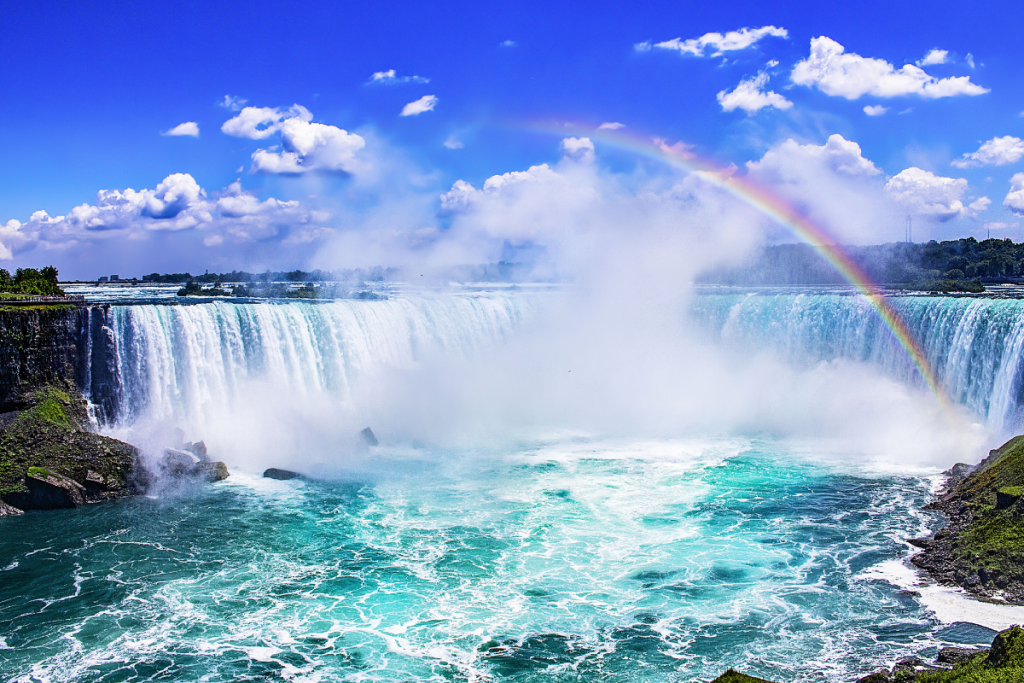
Toronto is also a gateway to Niagara Falls, located about 90 minutes away. The falls are best experienced up close through boat tours that take you into the mist at the base of the cascades.
Neighbourhoods such as Kensington Market and Distillery District add character to the city, offering street art, boutique shops, and local dining experiences. Find more interesting activities to do in Toronto for first-timers.
Quebec City
For a completely different cultural experience, Quebec City offers a distinctly European atmosphere. As one of the oldest cities in North America, it is rich in history and charm.
The historic Old Town is a UNESCO World Heritage Site, featuring cobblestone streets, fortified walls, and landmarks such as the Château Frontenac. This grand hotel overlooks the St. Lawrence River and is one of the most photographed buildings in Canada.
Exploring Quebec City is about slowing down. Walking through its streets, visiting local bakeries, and experiencing French-Canadian culture gives the city a unique identity that stands apart from the rest of the country.
Jasper National Park
Located further north in Alberta, Jasper National Park offers a quieter alternative to Banff while still delivering equally impressive landscapes.
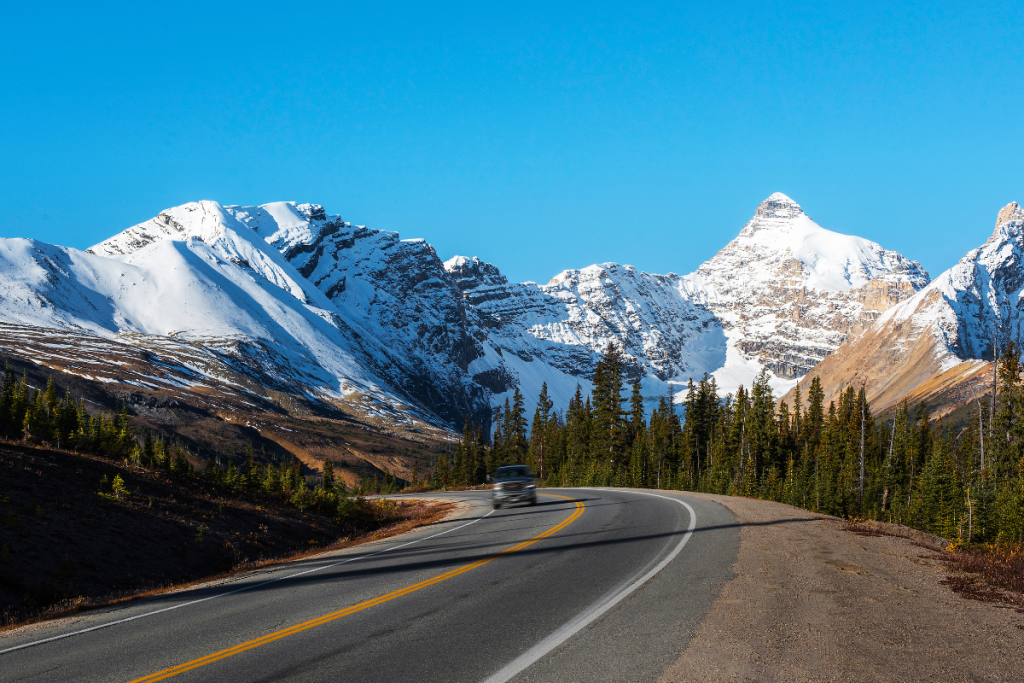
The journey along the Icefields Parkway between Banff and Jasper is one of the highlights of any Canada travel guide itinerary. This scenic drive passes glaciers, waterfalls, and mountain viewpoints, with stops such as the Columbia Icefield offering opportunities to walk on ancient ice.
Jasper is also one of the best places in the world for stargazing. As a designated Dark Sky Preserve, it offers incredibly clear night skies, especially during the annual Jasper Dark Sky Festival.
Top 5 Things to Do in Canada
Drive the Icefields Parkway
Driving the Icefields Parkway is one of the most memorable experiences included in any Canada travel guide. The route stretches over 230 kilometres and connects Banff and Jasper, offering continuous views of glaciers, lakes, and mountains. Stops such as Peyto Lake and Athabasca Falls make the journey just as rewarding as the destinations themselves.
Experience Indigenous Culture
Canada’s Indigenous heritage is an important part of its identity. Cultural experiences, guided tours, and museums across the country provide insight into traditions, storytelling, and history. Participating in these experiences adds a deeper understanding of the places you visit.
Go Whale Watching
Coastal regions, particularly in British Columbia, offer excellent opportunities for whale watching. Depending on the season, you may see orcas, humpback whales, and grey whales. Tours typically operate from places like Vancouver Island and provide a chance to observe marine life responsibly.
Explore Canada’s National Parks
With over 40 national parks, Canada offers some of the most well-preserved wilderness areas in the world. Activities such as hiking, kayaking, canoeing, and wildlife spotting are central to the experience. Each park has its own unique landscape, from mountains to forests and coastal regions.
Experience Seasonal Activities
Canada’s seasons play a major role in shaping travel experiences. In winter, activities such as skiing, snowboarding, and ice skating are popular. In autumn, travellers come for fall foliage, especially in Ontario and Quebec. Summer is ideal for outdoor adventures, while spring offers fewer crowds and emerging natural beauty.
Best Time to Visit Canada
The best time to visit Canada depends on the experiences you’re looking for. In this Canada travel guide, we explain how each season offers a unique way to explore the country, helping you choose the right time for your trip.
Spring (March to May)
Spring is a transitional season in Canada, with temperatures typically ranging from 5 to 15°C (41 to 59°F). Snow begins to melt, and cities become more active after winter.
Crowds are relatively low, and travel costs are moderate. However, some mountain areas may still have snow, which can limit access to certain trails.
Summer (June to August)
Summer is the most popular time to follow a Canada travel itinerary. Temperatures range from 20 to 30°C (68 to 86°F), making it ideal for outdoor activities and exploring national parks.
This is peak season, so expect higher accommodation prices and busy attractions, particularly in Banff and Vancouver. Booking in advance is essential.
Autumn (September to November)
Autumn offers some of the most scenic landscapes in Canada, with temperatures ranging from 10 to 20°C (50 to 68°F). Fall foliage is particularly vibrant in Ontario and Quebec.
Crowds begin to decrease, and travel costs become more reasonable. This is one of the best times to visit if you prefer a quieter experience.
Winter (December to February)
Winter in Canada is cold, with temperatures often ranging from minus 5 to minus 20°C (23 to minus 4°F), depending on the region.
Despite the cold, this season offers unique experiences such as skiing, snowboarding, and winter festivals. Cities like Quebec City become especially picturesque with snow-covered streets and festive events.
Pro Travel Tips for Canada
- Always check regional weather forecasts before travelling, as conditions can vary significantly across provinces.
- Renting a car is highly recommended for exploring national parks and scenic routes, as public transport options are limited in remote areas.
- Pack layers regardless of the season, especially if visiting mountainous regions where temperatures can change quickly.
- Book accommodation early during the summer months, particularly in popular destinations such as Banff and Jasper.
- Maintain a safe distance from wildlife and follow park guidelines to ensure both your safety and the protection of animals.
- Tipping is standard practice in Canada, with 15 to 20 per cent expected in restaurants.
- Use public transport in major cities like Toronto and Vancouver, as it is efficient and cost-effective.
- Travel insurance is strongly recommended due to the high cost of medical care for visitors.
Frequently Asked Questions About Travelling to Canada
Is Canada expensive to travel in?
Canada is generally a mid to high budget destination. Budget travellers may spend around 80 to 120 USD per day, while mid-range travellers typically spend between 150 and 300 USD depending on accommodation and activities.
How do you get around Canada?
Due to the country’s size, domestic flights are often used for long distances. Within cities, public transport is reliable, while renting a car is ideal for exploring natural areas.
How long should you spend in Canada?
Most travellers spend between 10 days and three weeks following a Canada travel itinerary that includes both cities and natural landscapes.
Is Canada safe for travellers?
Canada is considered one of the safest countries in the world. Basic precautions, especially in busy urban areas, are generally sufficient.
What are some underrated places in Canada?
Destinations such as Calgary, Victoria, and Nova Scotia offer unique experiences with fewer crowds.
Plan Your Trip with This Canada Travel Guide
Canada rewards travellers who plan thoughtfully and explore beyond just one region. Whether you are drawn to the Rocky Mountains, vibrant cities, or coastal wildlife, each part of the country offers something distinct.
For more detailed itineraries, destination guides, and practical tips, explore my blog Travel For Phoebe. I also share in-depth travel videos on my YouTube channel to help you plan with confidence and see each destination before you visit.
Plan well, stay flexible, and let Canada unfold at its own pace.
You Might Also Be Interested In:
24 Hours in Montreal, Canada: A Detailed One-Day Travel Guide