
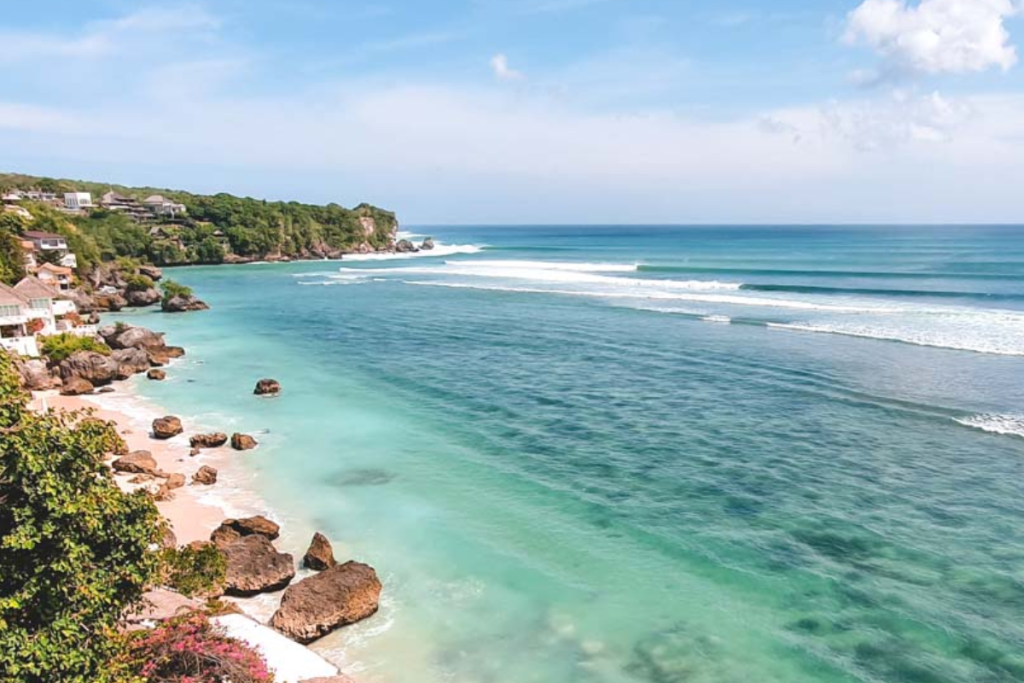
The first time I visited Bali, I travelled the way I think a lot of us do on a first trip. I wanted to see absolutely everything. Every famous café, every beach club, every sunset spot TikTok convinced me I could not leave Bali without visiting.
But during my recent stay in Uluwatu, something shifted a little.
Instead of trying to squeeze ten different things into one day, I found myself naturally slowing down. I spent hours sitting in cafés while tropical storms rolled across the cliffs. I took Grab bikes between smoothie bowls and Pilates classes. I watched surfers from cliffside bars with nowhere else I urgently needed to be.
And honestly, I think that is exactly why I ended up loving Uluwatu so much.
Hi, I’m Phoebe Lee from Travel For Phoebe. If you are wondering whether Uluwatu is still worth visiting in 2026, here is my honest experience staying there, what the area actually feels like now, the beaches I loved most, where I stayed, how to get around, and the things I genuinely wish I knew before visiting.
What Uluwatu Actually Feels Like
Uluwatu sits on Bali’s Bukit Peninsula on the island’s southwestern coast, and it feels completely different to places like Canggu or Seminyak.
Instead of crowded laneways packed with scooters, you get dramatic limestone cliffs, winding coastal roads, hidden beaches, surf breaks, and huge ocean views almost everywhere you look.
The overall vibe feels like a mix of surf town, wellness retreat, and tropical luxury escape. One minute you are passing a tiny local warung selling nasi goreng for 35,000 rupiah (around AUD 3.30), and the next you are driving past cliffside villas with infinity pools hanging over the Indian Ocean.
At times, it honestly reminded me a little of Byron Bay or Burleigh Heads in Australia. Relaxed, beachy, slightly trendy, but still slower paced than somewhere like Canggu.
The Beaches in Uluwatu Are Stunning – But Not Always Easy
One of the things I loved most about Uluwatu was how different every beach felt.
Padang Padang Beach
Padang Padang is probably the most famous beach in the area, and for good reason. You walk down through this narrow rock passage and suddenly arrive at a tiny cove surrounded by huge cliffs and turquoise water. It almost does not feel real when you first see it.
Bingin Beach
Bingin had a completely different atmosphere. It felt more relaxed, surfy, and lived-in, with cafés, guesthouses, and restaurants built directly into the cliffs above the waves. It is the kind of place where people seem to accidentally spend entire afternoons.
Suluban Beach (Blue Point)
Suluban Beach, also called Blue Point Beach, felt almost hidden beneath caves and rocky staircases. Getting there is part of the experience. The beach itself feels dramatic and rugged, especially during high tide when the waves crash through the rocks.
Thomas Beach and Nyang Nyang Beach
If you want something quieter, Thomas Beach and Nyang Nyang Beach are both worth the extra effort. They feel less crowded and a little more untouched compared to the busier beaches closer to the main café areas.
One thing worth knowing, though, is that Uluwatu beaches are not usually the simple “walk straight onto the sand” kind of beaches. Most involve steep staircases, uneven paths, or long walks down cliffs. It is absolutely worth it, but probably not ideal if you have mobility issues.
The waves can also be very strong, especially during the dry season, so many beaches are better for surfing and relaxing than for calm swimming. Even if you never go into the water, though, the coastline alone makes visiting Uluwatu worth it.
Watching Sunset at Single Fin Lived Up to the Hype
I know some famous Bali spots end up feeling overrated, but Single Fin genuinely lived up to expectations for me.
The venue sits directly on the cliffs overlooking the ocean and the famous Uluwatu surf break below. Around sunset, the whole coastline starts glowing orange while surfers move through the waves underneath you. It somehow manages to feel lively and relaxed at the same time.
I ordered a mango smoothie for around 60,000 rupiah (AUD 5.70), which honestly felt pretty reasonable considering the location and the view.
One tip, though: go early. I arrived just before 5 pm and almost missed out on getting a seat. During peak season, people arrive much earlier to grab sunset tables.
The Café Culture in Uluwatu Was One of My Favourite Parts
One thing I really noticed in Uluwatu is that cafés do not feel rushed. They feel more like places you settle into for hours rather than somewhere you quickly grab a coffee before leaving again. Most mornings, you will see surfers, digital nomads, and people fresh out of Pilates classes slowly drifting into cafés throughout the morning.
Let’s look at some of my favourite spots.
Analog Uluwatu
Analog had this cool retro surf-house feel with records, great music, friendly staff, excellent matcha, and one of the best Skagen toasts I had in Bali for around 100,000 rupiah (AUD 9.50).
Suka Espresso
Suka Espresso became one of my favourite breakfast spots during the trip. The sourdough was genuinely good, the coffee was consistently excellent, and their coconut matcha-style drinks were perfect in the Bali heat.
Bukit Cafe
Bukit Cafe felt slightly more laid-back and affordable, with smoothie bowls, Indonesian dishes, burgers, and massive menus that somehow covered everything.
And somewhere during this trip, Bali’s matcha obsession officially got me too. I went from wondering why matcha tasted like grass to casually ordering iced oat milk matchas and random coconut matcha cloud drinks without hesitation.
Where I Stayed in Uluwatu
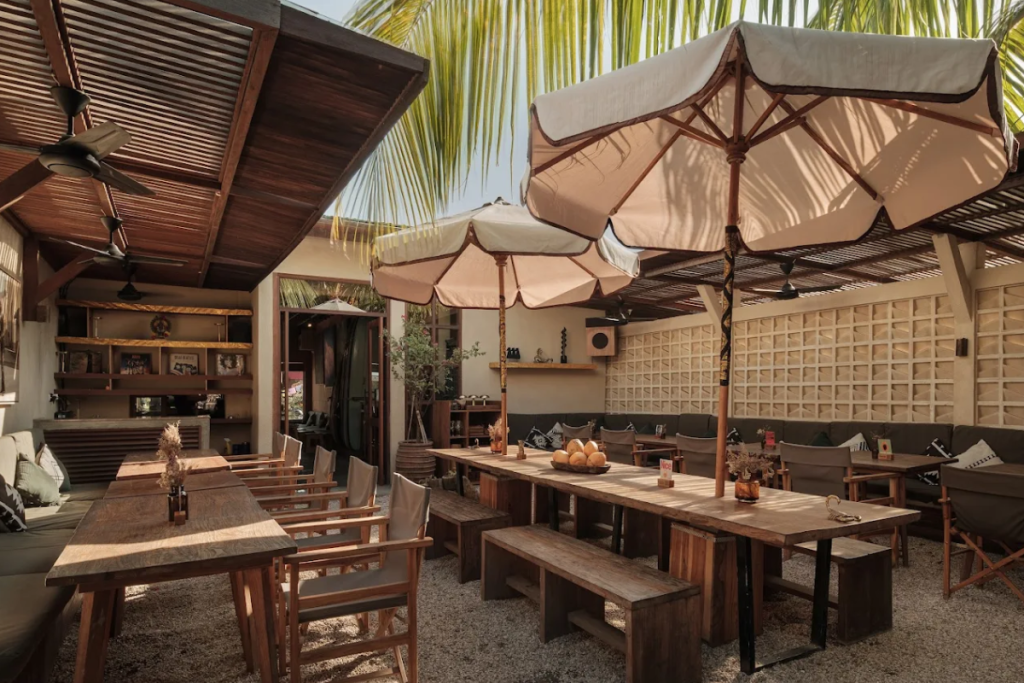
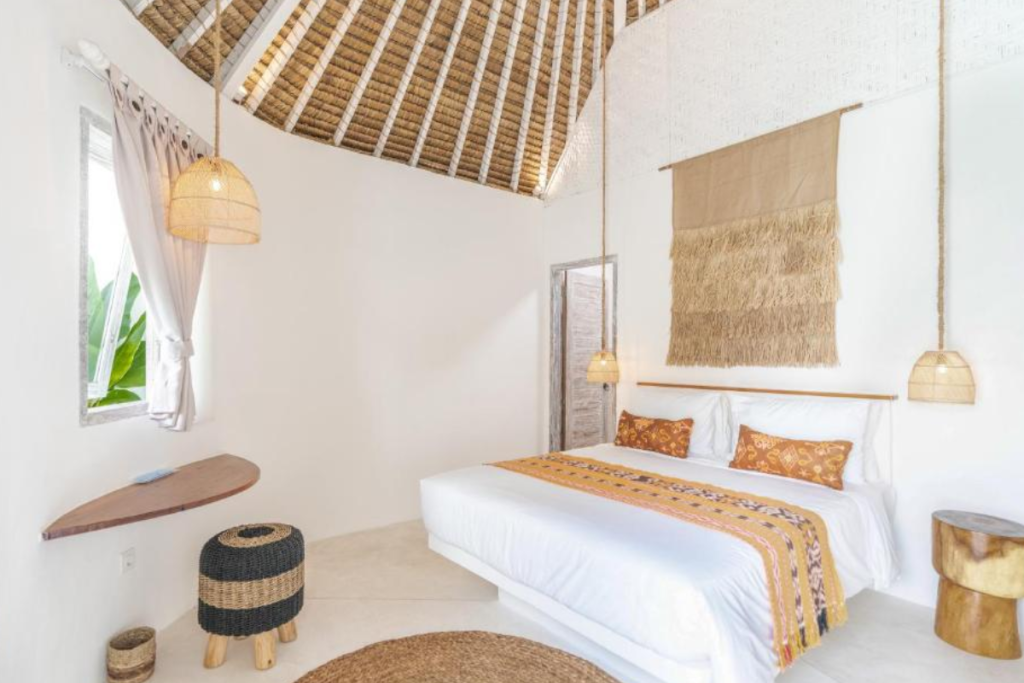
During my trip, I stayed at a hotel called The Stay. Honestly, the location was excellent and super convenient for getting around Uluwatu. I paid around AUD 240 total for four nights, which felt really reasonable for the area.
The hotel itself was simple but comfortable. There was a small plunge pool, the rooms were decent, and guests also received a 20% discount at Bukit Cafe, which ended up being genuinely useful because I went there constantly. That said, it definitely felt more like a practical base than a luxury resort stay.
If you are someone who absolutely hates bugs, just know that Uluwatu’s tropical setting means insects occasionally find their way into rooms, especially in more open-style accommodation.
And honestly, after seeing some of the cliffside stays around Bingin and Suluban, I definitely had moments of hotel envy.
Places like Sal Secret Spot, Grün Resort, Alila Villas Uluwatu, and some of the boutique stays built into the cliffs looked incredible, especially the ones with ocean-view infinity pools.
If your budget allows it, I genuinely think Uluwatu is one of those places where splurging a little on accommodation could completely change the experience.
Getting Around Uluwatu Is Harder Than It Looks
One thing I wish I had fully realised before visiting Uluwatu is how spread out everything actually is. The area is not particularly walkable, and distances between beaches, cafés, and hotels are often much further than they appear on Google Maps.
Most people rent scooters, but personally, I relied on Grab for almost my entire stay because I simply do not trust myself driving a scooter in Bali traffic.
Grab Bike rides usually cost somewhere between 20,000 and 60,000 rupiah (around AUD 2-5.70), so it ended up being one of the easiest and cheapest ways to get around.
My biggest tip is to download Grab or Gojek before arriving in Bali and connect your bank card in advance. It makes everything so much easier once you land.
Uluwatu or Canggu? My Honest Thoughts After Visiting Both
This obviously depends on your travel style, but personally, I enjoyed Uluwatu far more than Canggu.
Canggu still has amazing cafés, restaurants, shopping, gyms, nightlife, and coworking spaces. But these days it can feel very full-on. The traffic is crazy, the roads are constantly busy, and everything feels packed tightly together.
Uluwatu still has trendy cafés and beautiful restaurants, but the pace feels calmer overall. You can spend the morning at Pilates, have breakfast overlooking the ocean, stop at random cliff viewpoints throughout the day, then watch surfers at sunset without feeling like you are constantly rushing somewhere.
That said, Uluwatu is definitely becoming more popular too. New cafés, villas, beach clubs, gyms, and restaurants are opening constantly across the Bukit Peninsula, and traffic is slowly increasing, especially around sunset.
So if Uluwatu has been sitting on your Bali bucket list for years, I honestly would not wait forever to experience it.
The Best Time to Visit Uluwatu
Uluwatu stays warm year-round, with daytime temperatures usually sitting between 27°C and 31°C and evenings around 22°C to 25°C.
The dry season runs from April to October and is generally considered the best time to visit Uluwatu because you get sunnier weather, clearer sunsets, and better surf conditions.
May, June, and September are especially good because you still get great weather without the peak-season crowds of July and August.
I actually visited during more unpredictable weather, and honestly, I still loved it. Bali storms can feel intense, but they are often short-lived. One minute it is absolutely pouring rain, and the next the sky clears, and everything suddenly looks fresh, bright, and ridiculously green again.
If your dream Bali trip revolves around beach clubs, surfing, and guaranteed sunshine, the dry season is definitely the safer option.
But if you are happy slowing down a little and adapting your plans, shoulder season can actually feel really cosy and relaxed.
So, Is Uluwatu Worth Visiting in 2026?
For me, absolutely yes. Uluwatu feels like one of the few places in Bali where you can still experience that balance between modern comforts and slower coastal living.
It is stylish without feeling overly polished. Relaxed without being boring. Busy enough that there is always somewhere good to eat or watch the sunset, but still calm enough that you can genuinely slow down for a few days. And honestly, that is probably what stayed with me most after leaving.
If that sounds like your kind of trip, I think you will probably love Uluwatu too.
And if you want more honest travel guides, Bali tips, café recommendations, and destination reviews, you can find more over on Travel For Phoebe and on my YouTube channel for weekly travel vlogs and real-time adventures from around the world.
You Might Also Be Interested In:
Is a Trip to Canggu Still Worth It in 2026? Everything You Need to Know