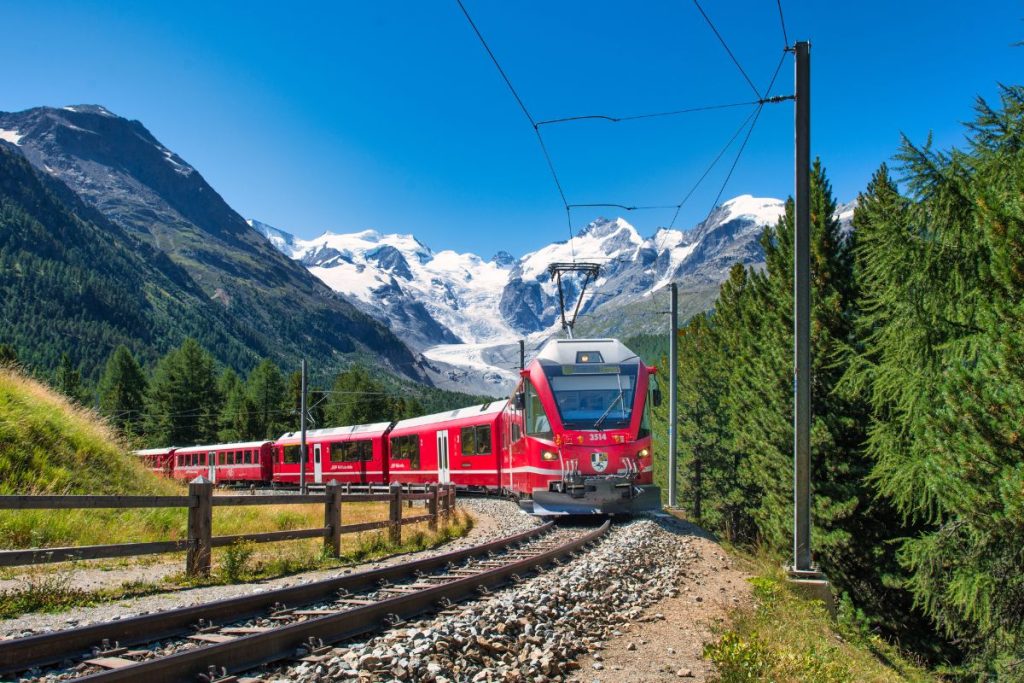
I still remember standing inside St Pancras Station in London, staring up at the departure board and feeling completely overwhelmed. I was about to begin my first solo trip across Europe, and for the first time, I was going to travel across Europe by train on my own.
My entire life was packed into a suitcase and a small backpack. My camera gear, laptop, passport, bank cards, and everything I thought I needed for this huge adventure were squeezed into two bags. I remember holding onto them tightly, convinced something was going to go wrong.
Looking back now, it is hard to believe how nervous I was because European train travel has become one of my favourite ways to explore the world. The things that scared me the most were never actually as difficult as I imagined. They were simply things I had not experienced yet.
If you are planning your first trip to Europe, thinking about solo travel in Europe, or wondering whether you can confidently navigate European trains alone, this guide will share everything I learned from my first journey.
My First Europe Train Journey: The Moment Everything Changed
My first European train journey came during a time when I really needed a fresh start. I was coming out of a major relationship, and my solution was to travel solo. At the time, it sounded like the perfect adventure. I wanted to explore new places, experience independence, and discover more about myself.
The Fears I Had Before My First Train Journey in Europe
I knew I wanted to travel Europe by train, but I had no idea how I was going to make it happen. I had never navigated European train stations before. I did not know how platforms worked, how to find my carriage, or what would happen if I missed a connection. My mind immediately started creating every possible worst-case scenario.
What if I got lost? What if someone stole my bags? What if I could not figure out the metro when I arrived in Paris? What if I needed help and nobody was there?
When that first train finally started moving from London towards Paris, I realised something important. Most of the things I was afraid of were not actual problems. They were just things I had not experienced yet.
The stations were organised. The signs were easy to follow. The train staff were helpful. The other passengers were simply people travelling to their next destination.
Nobody was watching me. Nobody cared that I was travelling alone. Nobody expected me to know everything.
How My First Train Ride Changed My Confidence
Every successful journey gave me a little more confidence. It did not happen overnight. I did not suddenly become fearless. Instead, confidence grew through small moments. Finding my platform, boarding the correct carriage, arriving safely in a new city, and solving small problems along the way reminded me that I was more capable than I thought.
That is the biggest lesson solo travel in Europe has taught me. Confidence does not usually come before you start. It comes because you start.
Why Europe by Train Is the Best Way to Explore the Continent
There are many ways to travel around Europe, but travelling in Europe by train feels completely different from flying. The train is not just a way to get from one destination to another. The journey itself becomes part of the adventure.
Train Travel Takes You Straight Into the Heart of Europe
One of the biggest advantages of European train travel is convenience. European train stations are usually located right in the centre of cities, making arrival much easier compared to flying.
When you land at an airport, you often still have a long journey ahead before reaching your accommodation. You need to organise transport, navigate unfamiliar roads, and spend more time getting into the city.
With trains, you step off, and you are already there. Arriving at stations such as Paris Gare du Nord, Amsterdam Centraal, or Milan Centrale places you directly in the heart of the destination. You can walk out of the station and immediately start exploring cafés, streets, neighbourhoods, and attractions.
Watching Europe Change Outside Your Window
One of my favourite things about travelling in Europe by train is being able to watch the landscape change around me. Flying can sometimes feel like a shortcut between two places. You leave one city and suddenly appear somewhere completely different.
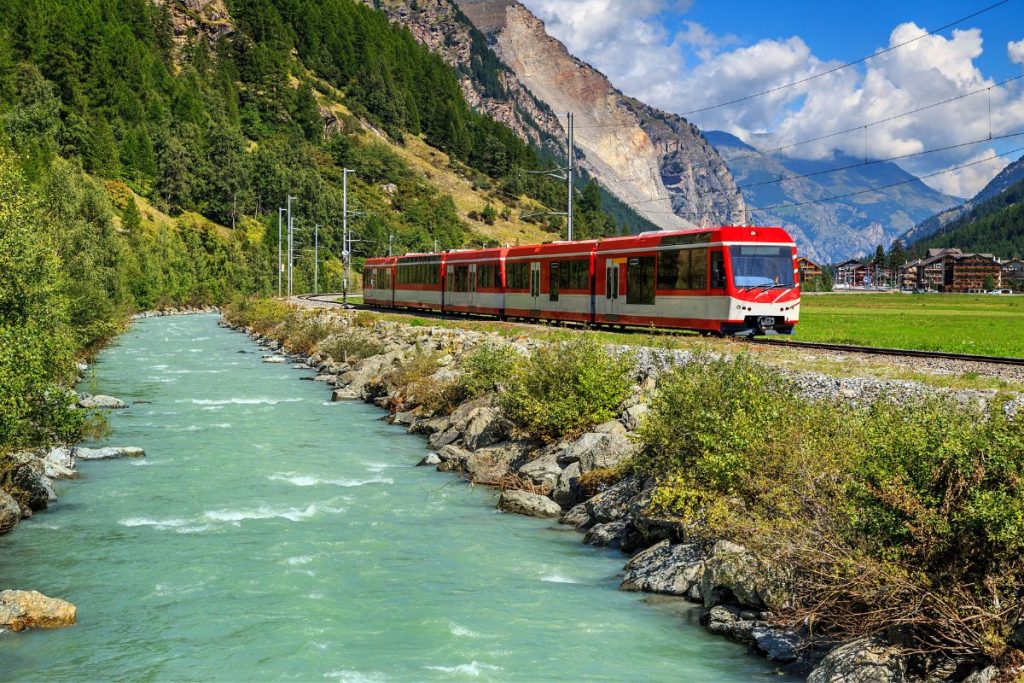
Train travel allows you to experience the transition. You can watch mountains turn into countryside, countryside become villages, and villages transform into bustling cities. You see parts of Europe that you would completely miss if you were flying above the clouds.
There is something incredibly special about sitting by the window with a coffee, watching another country slowly appear outside. The journey becomes a memory itself.
The Unexpected Connections You Make Along the Way
Another reason I love European train travel is the people you meet along the way. There is something about sitting beside someone for a few hours that naturally creates conversation.
I have met fellow travellers who shared their favourite destinations, locals who recommended restaurants, and people who gave me tips I would never have found in a typical guidebook. Some of my best travel recommendations have come from simple conversations on trains.
It is an experience that feels much more personal than flying. Airports often feel rushed and disconnected, while trains create space for people to slow down, observe their surroundings, and connect with others.
Planning Your Europe Train Trip: Everything You Need to Know
A little preparation can make your first European train trip feel much easier. While spontaneous travel can be exciting, having a basic understanding of how European trains work will help you feel more confident.
How Far in Advance Should You Book European Trains
The best time to book European trains depends on the route, season, and type of train you are taking.
Popular high-speed routes between major cities can sell out, especially during summer, weekends, and public holidays. Booking earlier can also help you find cheaper fares, as many European railway companies use dynamic pricing, meaning prices often increase closer to the travel date.
For some regional trains, booking in advance is not always necessary. You can often purchase tickets on the day of travel and still find availability.
When I first started travelling Europe by train, I preferred knowing my route before arriving at the station. It meant I could focus on enjoying the experience instead of worrying about finding tickets at the last minute.
Where to Book Your European Train Tickets
There are several platforms available to help plan your journey. Trainline is one of the easiest options for many travellers because it allows you to compare routes, check schedules, and book tickets across different countries.
You can also check individual railway websites depending on the country you are travelling through. Sometimes booking directly with the national railway provider can offer more options.
The best choice depends on your travel style. If you prefer flexibility, convenience, and visiting multiple countries, a Eurail Pass may be worth considering. If you have a fixed itinerary with specific destinations, individual train tickets may be a better option.
Eurail Pass vs Individual Train Tickets: Which is Better
A Eurail Pass is popular among travellers planning longer European adventures. It allows you to travel across multiple countries and can make moving between destinations much simpler. It is especially useful if you want flexibility and do not want to organise every single journey separately.
However, a Eurail Pass is not always the cheapest option. If you already know your exact route, purchasing individual tickets may sometimes save money.
Before choosing, consider how many countries you want to visit, how long you will be travelling, and whether you prefer flexibility or a fixed schedule.
Why Having a Ticket Does Not Always Mean Having a Seat
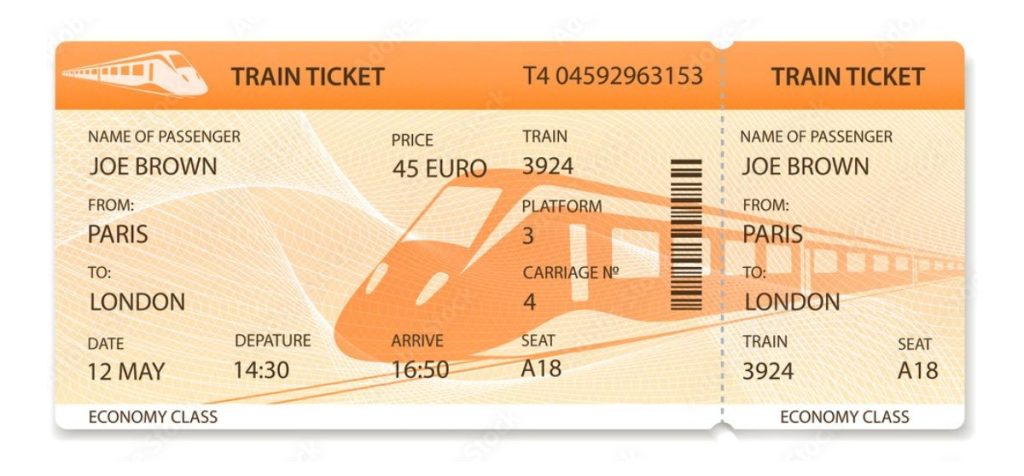
One of the most confusing parts of European train travel is understanding the difference between having a ticket and having a reserved seat.
A train ticket does not always guarantee a specific seat. Some high-speed trains and popular routes require an additional reservation. For example, you may have a Eurail Pass and decide to travel from Milan to Florence. Your pass may cover the journey, but you may still need to pay an extra fee to reserve your seat.
The good news is that booking apps usually explain whether a reservation is required. Always check before travelling so you can avoid unnecessary stress at the station.
How to Navigate European Train Stations Like a Pro
The first time you enter a major European train station, it can feel overwhelming. There are departure boards, multiple platforms, people rushing in different directions, and announcements happening around you. But the process is much simpler than it appears.
Arriving at the Station Early
For your first journey, I recommend arriving around 30 to 45 minutes early. Unlike airports, you do not need to arrive several hours before your train, but having extra time allows you to stay calm and organised. Use the time to find your platform, buy a snack, grab a coffee, and familiarise yourself with the station.
Understand the Process
Once you arrive at the station, the first thing you need to do is find the departure board.
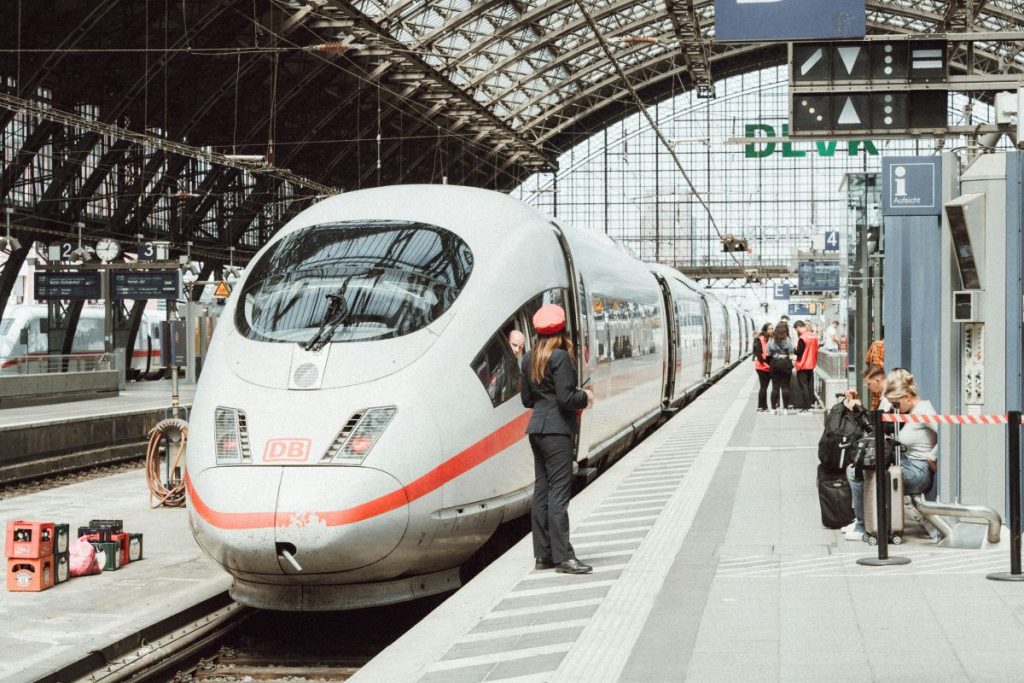
The process is usually straightforward. Check your departure board, find your train number, wait for your platform to appear, and then make your way to the correct carriage. Your carriage number will be displayed on the side of the train, and your seat details will be shown on your ticket.
One thing that surprised me during my first trip was that platforms are often announced only shortly before departure. If you do not see your platform immediately, do not panic. This is completely normal. And remember, asking for help is always okay.
What to Do If Something Goes Wrong
Some travellers worry that asking questions makes them look inexperienced, but the opposite is true. Knowing when to ask for assistance is a valuable travel skill.
During my first trip, I accidentally locked myself inside the Paris Metro because I had made a mistake with my ticket. At the time, I thought it was a complete disaster. But when I asked for help, people were kind, patient, and helped me find my way.
Essential Europe Train Travel Tips for First-Time Travellers
After travelling Europe by train multiple times, these simple tips have made my journeys much smoother:
- Bring snacks and water for longer journeys.
- Download offline maps before arriving in a new city.
- Keep your passport, tickets, and important documents easily accessible.
- Carry a portable charger for your phone.
- Keep your luggage where you can see it.
- Download entertainment such as podcasts, music, or books.
- Leave space in your itinerary for unexpected discoveries.
Most importantly, enjoy the journey. Look out the window, slow down, and appreciate the places you are passing through. These small moments often become the memories you remember most.
Ready to Start Your Own Europe Train Adventure?
Travelling Europe by train was one of the experiences that changed the way I see the world and myself. It taught me that you do not need to have everything figured out before you begin. Sometimes the biggest adventures start with a little uncertainty and a willingness to try.
If you are planning your first European adventure, I hope this guide helps you feel more prepared and confident.
For more travel stories, destination guides, and practical tips from my journeys around the world, explore more articles on my blog, Travel For Phoebe. You can also follow along with my adventures, travel tips, and behind-the-scenes experiences on my YouTube channel, where I share more of my solo travel journey.