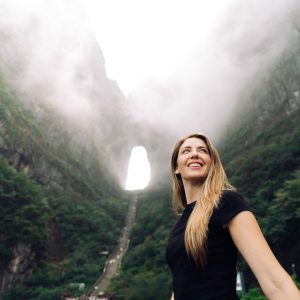
If you’re planning a trip to Shangri-La and Lijiang, you’re in for some of the most spectacular scenery in all of China. In fact, this corner of Yunnan Province completely blew me away, because I had no idea how different it would feel from the big cities. Here you’ll find Tibetan monasteries, 1,300-year-old timber towns, Naxi villages and a permanently snow-capped mountain that dominates the skyline.
That said, it’s also a region that rewards a bit of planning. For example, Jade Dragon Snow Mountain tickets are real-name and sell out, and the altitude catches plenty of people off guard. So in this guide I’ll share exactly where I went, what it’s really like (including a little Instagram versus reality), and how to book each part of your trip.
Shangri-La and Lijiang at a glance
- Where: Northwest Yunnan, China. Shangri-La sits in the Diqing Tibetan Autonomous Prefecture, surrounded by the edges of the Himalayas, while Lijiang lies to the south at the foot of Jade Dragon Snow Mountain.
- Is it Tibet? Shangri-La is shaped by Tibetan culture, however it’s in Yunnan, not the Tibet Autonomous Region, so you don’t need a Tibet Travel Permit.
- Getting between them: a bullet train runs between Lijiang and Shangri-La in roughly 1 hr 10 min to 1 hr 50 min.
- Airports: Lijiang Sanyi International Airport (LJG) and Diqing Shangri-La Airport (DIG).
- Altitude: Shangri-La’s airport is about 3,280 m, and the Jade Dragon glacier cable car tops out at 4,506 m.
- Weather: I visited in the cold months, and it was freezing up high, so pack proper layers, a beanie and gloves.
- Must-sees: Dukezong Ancient Town, the giant prayer wheel, Songzanlin Monastery, Jade Lake (Yuhu) Village, Blue Moon Valley and Jade Dragon Snow Mountain.
- How I travelled: on a guided trip with Eastogo, which handled transport, guides and tickets.
Plan your trip in 5 minutes
- 🧭 Let someone else handle the logistics: I travelled Yunnan with Eastogo and loved them. Explore their China trips here.
- 🎟️ Book Jade Dragon Snow Mountain and tours without a WeChat account: Klook (use code TRAVELFORPHOEBEKLOOK for a discount)
- 🚄 Lock in the Lijiang to Shangri-La bullet train and your stays: Trip.com
- 📱 Stay connected from the moment you land: Airalo eSIM (use code TRAVELFORPHOEBE for a discount)
- 🦈 Keep Google, Instagram and WhatsApp working in China: Surfshark VPN
- ✈️ Compare flights into Lijiang: Skyscanner
Good to know (updated November 2026): Australians can currently enter China visa-free for up to 30 days, however that policy runs until 31 December 2026 per the Chinese Consulate-General’s official notice. No extension had been announced at the time of writing, so check before you travel in 2027.
Things to do in Shangri-La
The prayer-flag tower
My first stop in Shangri-La was a towering structure made completely from prayer flags. Because the wind keeps every flag moving, it feels ethereal, and I couldn’t stop looking up. On top of that, lots of locals come here dressed in traditional Tibetan costume for photo shoots, so it’s a lovely place to soak up the atmosphere.
Dukezong Ancient Town
Dukezong Ancient Town is Shangri-La’s old town, and its name means “moonlight and sunlight” in Tibetan. It has some 1,300 years of history, so you really feel it in the cobblestone streets and old timber houses. However, what struck me most was how different it looks from the rest of China: the buildings are lower set with flatter fronts, and the whole place has a calm, smiley energy.
For example, I turned a corner and the most beautiful temple I’ve ever seen suddenly appeared, so leave time to wander without a plan. If you’d like the history explained as you go, a WeGoTrip self-guided audio tour is worth checking for the region.
The giant prayer wheel at Guishan Park
Above the old town at Guishan Park, beside Dafo Temple, you’ll find a gilded prayer wheel about 21 m tall that’s reputedly the largest in the world. Tradition says you walk it around one, three or seven times for good luck. That said, it takes a team to turn it, so my tip is to lead with confidence, find a gap and jump on.
Songzanlin Monastery
Songzanlin Monastery, often called the Little Potala Palace, is the largest Tibetan Buddhist (Yellow Hat) monastery in Yunnan. It was founded in the 1600s by the fifth Dalai Lama, and standing up there with mountains all around and everything glittering gold is spectacular.
Before you go in, though, a few practical tips:
- No filming or photos inside the halls, including the main hall.
- Remove hats and sunglasses when you enter.
- Walk clockwise, so head left as you enter and follow the path around.
- Cost: recent guides list entry at about ¥55 plus about ¥20 for the sightseeing bus, and hours of roughly 8am to 5:30–6pm.
- Go early: it’s very cold in the mornings, so rug up (yes, my hat had ears, and yes, I loved it).
If you’d rather have a guide explain the halls, you can check Klook for guided Shangri-La tours and use code TRAVELFORPHOEBEKLOOK.
What to eat in Shangri-La
For lunch we had a spread of local vegetables. The greens were fresh and loaded with garlic, and the surprise hit was a spicy pink potato dish with chilli. Because it’s so cold up here, you’ll find yourself craving carbs, so order generously.
Things to do in Lijiang
Jade Lake Village (Yuhu Village)
Yuhu Village, or Jade Lake Village, is a small, rustic Naxi village near Lijiang. In the golden afternoon light, with the mountains behind it, it almost has a European feel. As a result, it’s a gentle contrast to the busier sights nearby.
The highlight for me was being welcomed into a Naxi family’s home, which Eastogo arranged. We watched fresh tofu being made, tried home-cooked snacks, and learnt about everyday life, right down to the weasel on the wall that warns off chicken thieves. Similarly, if you love this kind of travel, ask your guide about homestay-style experiences, because they’re the moments you’ll remember.
Blue Moon Valley
Blue Moon Valley sits at the eastern foot of Jade Dragon Snow Mountain, with vivid blue, crystal-clear pools, cascading waterfalls and the snow peak behind. Honestly, I felt like I’d popped up in New Zealand.
However, here’s the Instagram versus reality: it’s extremely busy, with photo shoots and drones everywhere, and that was outside the peak season. Therefore, arrive as early as you can. Recent guides list carts around the valley at about ¥40.
Jade Dragon Snow Mountain
Jade Dragon Snow Mountain is permanently snow-capped, dominates the landscape and is sacred to the Naxi people, who believe a powerful god of war lives at the top. The views from up there are something else entirely.
That said, getting to the summit cable car involves what felt like an endless network of queues, buses and tickets. So here’s how to make it smoother:
- Book ahead: tickets are real-name, so you’ll register your passport (bring the original). Glacier cable car tickets reportedly go on sale 7 days ahead at 8pm China time and sell out.
- Skip the WeChat headache: foreign cards often fail in the official mini-program, so check Klook for Jade Dragon Snow Mountain tickets and tours before you fly.
- Costs (per recent guides): park entry about ¥100 and the glacier cable car about ¥140 return including the shuttle bus.
- Altitude: the upper station is 4,506 m and the boardwalk climbs higher, so take it slowly, stay hydrated and wear every layer you own.
Good to know (updated November 2026): recent guides report the Yak Meadow cable car has been closed for rebuilding since March 2026, and the glacier cable car closes fairly often in strong wind. Check the latest in the Lijiang Tourism Group WeChat mini-program or with your tour provider before you go.
Lijiang Old Town
If you’re based in Lijiang, the Old Town of Lijiang is UNESCO World Heritage-listed and includes Dayan, Baisha and Shuhe. It was once a trading hub linking Sichuan, Yunnan and Tibet, so it pairs perfectly with the mountain.
Getting to Shangri-La and Lijiang
Most travellers fly into Lijiang Sanyi International Airport, which is about 25 km south of the city, so pre-book a KiwiTaxi airport transfer and skip haggling after a long flight. From there, the bullet train to Shangri-La takes roughly 1 hr 10 min to 1 hr 50 min, with around 10 trains a day each way. Because seats go quickly in holiday periods, book your Lijiang to Shangri-La train on Trip.com. The line opened in late 2023, as China Daily reported.
Alternatively, you can fly straight into Diqing Shangri-La Airport, although it’s at about 3,280 m, so give yourself an easy first day to adjust.
Where to stay in Shangri-La and Lijiang
For Shangri-La, stay in or right beside Dukezong Ancient Town, because you can walk to Guishan Park and the giant prayer wheel, and the old town is magical at night. In Lijiang, base yourself near the Old Town for food and atmosphere, or in Baisha or Shuhe for something quieter and closer to Jade Dragon Snow Mountain.
Find boutique guesthouses in Dukezong and Lijiang Old Town on Trip.com, and check each listing mentions heating if you’re visiting in the colder months. Travelling as a family or group? Then a holiday home on VRBO is worth checking for longer stays.
How to book your Shangri-La and Lijiang trip
My entire time in China was thanks to the team at Eastogo. They specialise in immersive journeys across China and handled transport, accommodation, guides, timing and access, so I just got to show up. On top of that, their local team explained where we were and why it mattered, and we’re still friends today. If travelling China has ever felt intimidating, this is the easiest way to do it, and you can tell them I said hi. Their current trips include a Yunnan itinerary covering Shangri-La.
Prefer to travel independently? In that case, piece it together with Klook for tickets and day tours (use code TRAVELFORPHOEBEKLOOK for a discount) and Trip.com for trains and hotels.
Tips for travelling Shangri-La and Lijiang
- Get connected before you land: an Airalo eSIM means you’ll have data from the moment you arrive (use code TRAVELFORPHOEBE for a discount). Also, Google, Instagram and WhatsApp are blocked in China, so set up Surfshark VPN at home before you leave.
- Sort your money: China runs on Alipay and WeChat Pay, so link a card before you go. A Wise card is a handy option for topping up with low fees.
- Carry your passport: you’ll need the original for real-name tickets and train boarding.
- Pack for cold and altitude: thermals, a warm hat, gloves and sunscreen, all of which fit easily in a July carry-on.
- Be respectful at sacred sites: no photos inside monastery halls, hats off, and walk clockwise.
- Go deeper: my China travel tips post covers apps, payments and what I wish I’d known before my first trip.
My travel resources
- Flights: Skyscanner – I use it to compare flights into Lijiang and Shangri-La.
- Stays and trains: Trip.com – especially strong for China hotels and bullet trains.
- Airport transfers: KiwiTaxi – a fixed-price ride waiting when you land.
- Guided trips: Eastogo – who I travelled Yunnan with.
- Tours and tickets: Klook – great across Asia (code TRAVELFORPHOEBEKLOOK); GetYourGuide and Viator are worth comparing too.
- Audio and self-guided tours: WeGoTrip – handy for exploring at your own pace.
- eSIM: Airalo – use code TRAVELFORPHOEBE for a discount.
- VPN: Surfshark – what I use to keep my usual apps working in China.
- Money: Wise – a handy multi-currency card for topping up Alipay or WeChat Pay.
- Luggage: July – the luggage I travel with.
- Merch: Travel For Phoebe merch – for your next adventure.
Watch more of my China adventures
- Everything I Wish I Knew BEFORE Travelling China
- I experienced the REAL Chengdu
- I Spent 48 Hours in Xi’an
- Exploring Shanghai Like a Local
More China guides on the blog
- China Travel Tips: Know Before You Visit China
- 20 Exciting Things to Do in Chengdu
- Where to Stay in Chengdu
- How to Spend 48 Hours in Xi’an
- 9 Amazing Things to Do in Nanjing
Love these guides? Then grab something from the Travel For Phoebe merch collection for your next trip →
Affiliate disclosure
Some links in this post are affiliate links, which means I may earn a small commission if you book or buy through them, at no extra cost to you. I only recommend companies I use or genuinely think will help your trip, and this support helps me keep creating free travel guides and videos.
Want to travel like a pro? Grab my free “How to travel like a PRO!” guide and join the newsletter.