
Italy is one of those destinations that captures the imagination long before you even arrive. In this Italy travel guide, you’ll discover a country filled with ancient Roman ruins, Renaissance masterpieces, dramatic coastlines, and world-famous cuisine. Every region has its own character, traditions, and flavours, making it a place many travellers return to again and again.
Hi, I’m Phoebe Lee, the creator behind Travel For Phoebe. Over the years, I’ve explored many incredible places around the world, and Italy remains one of the destinations that consistently inspires travellers. Whether it’s wandering through centuries-old streets, enjoying a long meal in a family-run trattoria, or admiring masterpieces of art and architecture, Italy delivers experiences that feel timeless.
If you’re planning your first visit, this Italy travel guide will help you understand where to go, what to experience, and when to travel. From iconic cities and landscapes to practical travel tips and seasonal insights, here’s everything you need to know before visiting Italy.
Top 5 Places to Visit in Italy
Rome
Few cities in the world carry as much history as Rome. Often called the “Eternal City,” Rome blends ancient ruins, Renaissance architecture, vibrant neighbourhoods, and incredible food culture into one unforgettable destination.
One of the most iconic landmarks in the city is the Colosseum, built nearly 2,000 years ago during the Roman Empire. Once capable of holding over 50,000 spectators, this massive arena hosted gladiator battles, public spectacles, and dramatic performances. Standing inside the Colosseum today offers a powerful glimpse into ancient Roman life.
Nearby lies the Roman Forum, the political and social heart of ancient Rome. Walking through its ruins reveals temples, basilicas, and government buildings that once formed the centre of one of history’s most influential civilisations.
Rome is also home to Vatican City, the smallest country in the world, and the spiritual centre of the Catholic Church. Visitors come from across the globe to see St. Peter’s Basilica and the masterpieces inside the Vatican Museums, including the breathtaking Sistine Chapel ceiling painted by Michelangelo.
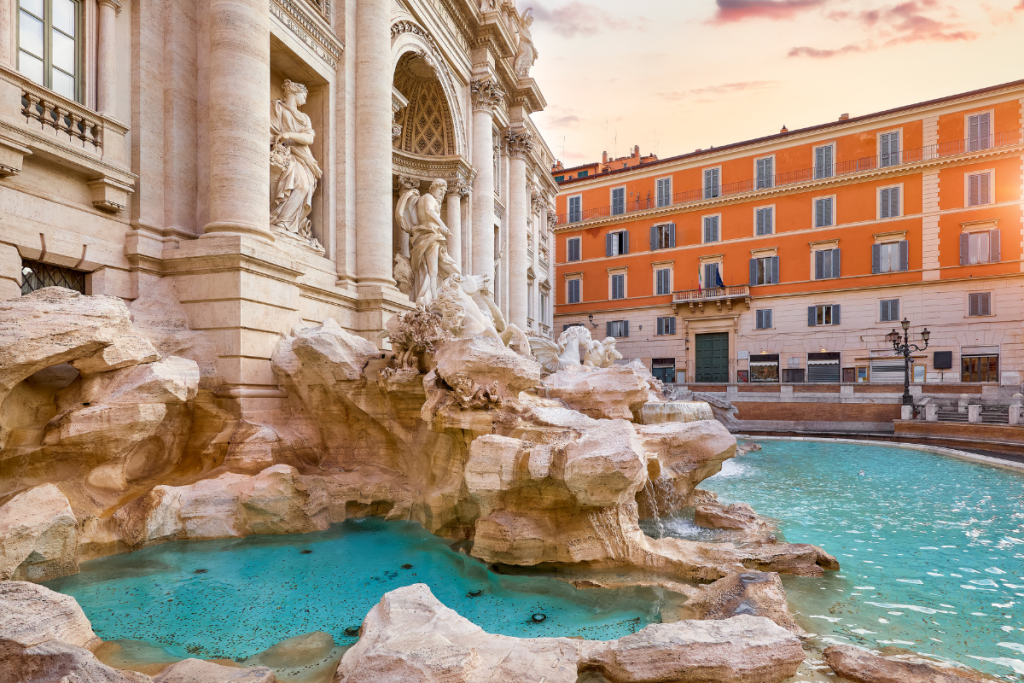
Beyond the major attractions in this Italy travel guide, Rome’s charm lies in wandering its lively piazzas, tossing a coin into the Trevi Fountain, and enjoying authentic Roman cuisine in neighbourhood trattorias.
Florence
Located in the heart of Tuscany, Florence is widely considered the birthplace of the Renaissance and a cultural highlight of any Italy travel guide. During the 15th century, the city became a centre of art, science, and culture that transformed Europe.
One of Florence’s most famous landmarks is the Florence Cathedral, also known as the Duomo. Its enormous red-tiled dome, designed by Filippo Brunelleschi, dominates the skyline and remains one of the greatest architectural achievements of the Renaissance.
Art lovers will find Florence particularly fascinating. The Uffizi Gallery houses one of the most important collections of Renaissance art in the world, including works by Botticelli, Leonardo da Vinci, and Caravaggio.
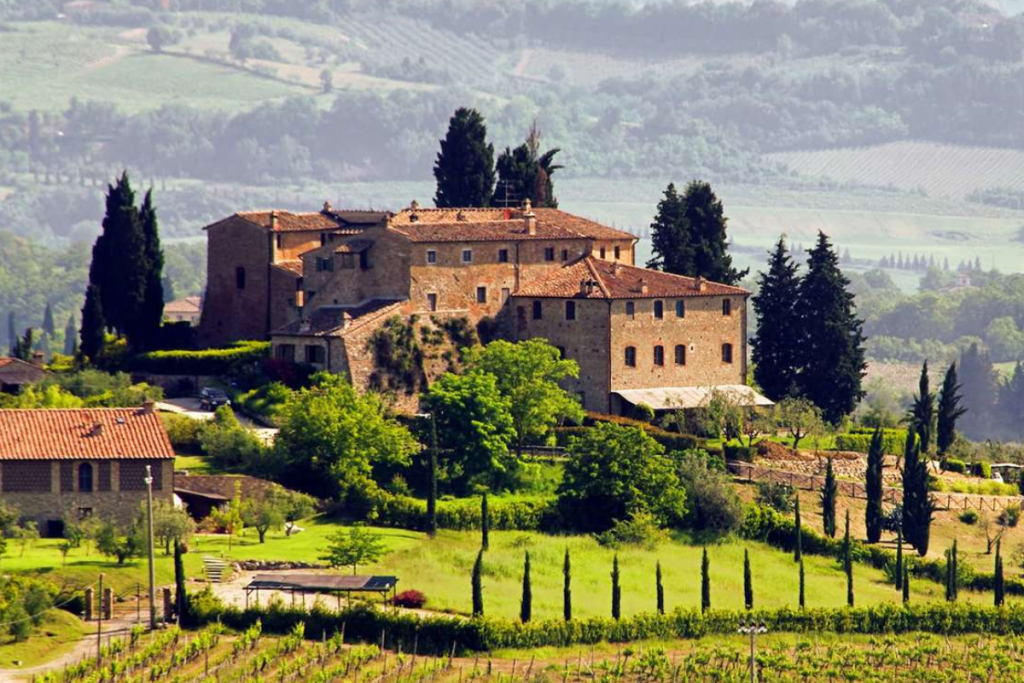
Florence is also a gateway to Tuscany’s rolling countryside, where vineyards, olive groves, and historic villages create one of Italy’s most picturesque landscapes.
Venice
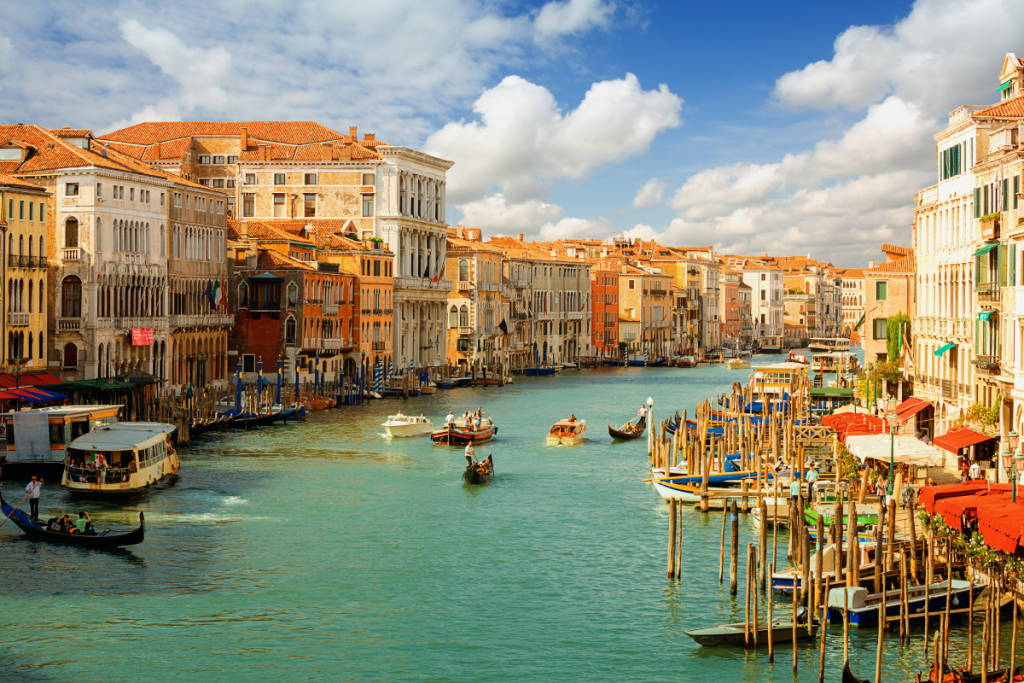
Built across more than 100 small islands connected by canals and bridges, Venice is unlike any other city in the world. Instead of streets, waterways form the main transport routes, with boats and gondolas gliding past centuries-old palaces.
The heart of Venice is St. Mark’s Square, one of Europe’s most famous public spaces. Here you’ll find St. Mark’s Basilica, a stunning church decorated with intricate mosaics and golden domes.
Nearby, the elegant Doge’s Palace once served as the seat of the Venetian Republic and remains one of the city’s most impressive historic buildings.
One of the most memorable ways to experience Venice is by exploring its quieter canals and neighbourhoods away from the busiest tourist routes. Hidden squares, artisan workshops, and traditional cafes reveal the city’s authentic charm.
Amalfi Coast
The breathtaking Amalfi Coast is one of Italy’s most famous coastal destinations. Stretching along the southern edge of the Sorrentine Peninsula, this dramatic coastline is known for its colourful villages, steep cliffs, and sweeping Mediterranean views.
The town of Positano is perhaps the most photographed spot along the coast. Its pastel-coloured houses cascade down the mountainside toward the sea, creating a postcard-perfect scene.
Further along the coast lies Amalfi, once a powerful maritime republic during the Middle Ages. The town’s cathedral, perched dramatically above the main square, reflects its historic importance.
Driving along the winding coastal road offers spectacular views at nearly every turn, making the Amalfi Coast one of the most unforgettable scenic journeys in any Italy travel guide.
Cinque Terre
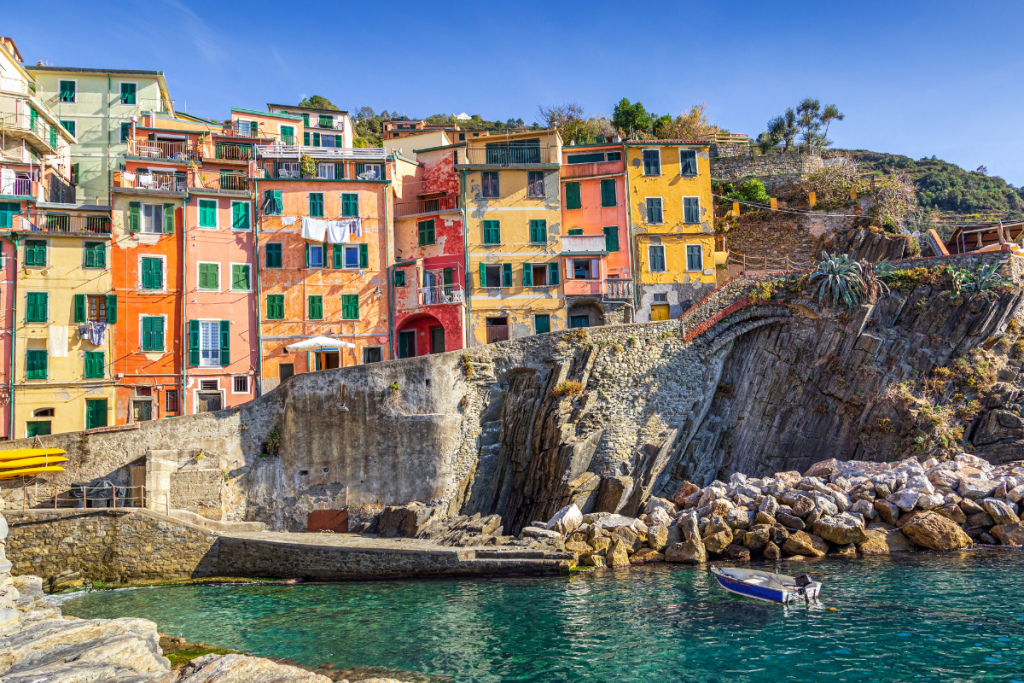
Along the rugged coastline of the Italian Riviera lies Cinque Terre, a collection of five colourful fishing villages built into steep cliffs above the Mediterranean Sea.
The villages, Monterosso, Vernazza, Corniglia, Manarola, and Riomaggiore, are connected by scenic hiking trails and train routes that run along the coast. Each village has its own charm, with pastel houses, narrow alleyways, and picturesque harbours.
One of the most rewarding experiences here is hiking between the villages while enjoying panoramic views of the sea and terraced vineyards. Despite their popularity, these villages still preserve the character of traditional Italian coastal life.
Top 5 Things to Do in Italy
Explore the Ancient Ruins of Pompeii
Near the city of Naples lies Pompeii, one of the most remarkable archaeological sites in the world. In 79 AD, the eruption of Mount Vesuvius buried the Roman city under volcanic ash, preserving buildings, streets, and artefacts for nearly two thousand years.
Walking through Pompeii offers an extraordinary glimpse into daily life during the Roman Empire.
Experience a Traditional Italian Cooking Class
Italian cuisine is celebrated worldwide, but learning to prepare authentic dishes yourself can be one of the most rewarding cultural experiences during a visit.
Cooking classes across regions like Tuscany often include visits to local markets before preparing dishes such as handmade pasta, risotto, and tiramisu. These experiences provide deeper insight into Italy’s culinary traditions.
Visit Tuscany’s Vineyards
The rolling hills of Tuscany are home to some of Italy’s most famous wine regions. Areas such as Chianti produce world-renowned wines and offer scenic vineyard landscapes.
Wine tours allow visitors to explore historic estates while learning about the centuries-old winemaking traditions that define the region.
Watch an Opera in Verona
The historic Verona Arena hosts one of the world’s most spectacular opera festivals each summer. This ancient Roman amphitheatre transforms into a massive open-air theatre where audiences watch performances beneath the stars.
Drive the Italian Lakes Region
Northern Italy’s Italian Lakes offer breathtaking alpine scenery, elegant villas, and charming lakeside towns. Destinations like Lake Como and Lake Garda are ideal for scenic boat rides, hiking, and relaxed lakeside dining.
Find and book your flights to Italy here:
Best Time to Visit Italy
Italy experiences a Mediterranean climate, though weather conditions vary between northern and southern regions. In this Italy travel guide, we break down the best seasons to visit, weighing on factors like crowds, costs, and seasonal events.
Spring (March to May)
Spring is one of the best times to visit Italy. Temperatures typically range between 15–24°C (59–75°F), and landscapes come alive with blooming flowers and greenery.
Crowds begin increasing in major cities like Rome and Florence, but they remain manageable compared to peak summer months. Accommodation prices are moderate, making spring an excellent balance between pleasant weather and affordability.
Festivals celebrating food, wine, and regional traditions take place throughout the country during this season.
Summer (June to August)
Summer is the busiest travel season in Italy. Temperatures often reach 28–35°C (82–95°F), particularly in cities such as Rome and Florence, where the heat can feel intense.
Tourist crowds are at their highest during these months, especially along the Amalfi Coast and in Venice. Hotel prices also rise significantly during this peak season.
However, summer brings vibrant outdoor festivals, beach holidays, and lively evening atmospheres across the country.
Autumn (September to November)
Autumn is widely considered one of the most enjoyable seasons for visiting Italy. Temperatures generally range between 18–27°C (64–81°F), and the summer crowds begin to fade.
September and October are particularly beautiful in wine regions such as Tuscany, where vineyards enter harvest season. Food festivals celebrating truffles, wine, and regional produce take place across many towns.
Travel costs often drop slightly after the summer peak, making autumn a great time for budget-conscious travellers.
Winter (December to February)
Winter in Italy is quieter and cooler, with temperatures typically ranging between 5–12°C (41–54°F) in many regions. Northern areas near the Alps may experience snowfall, creating opportunities for skiing.
Cities such as Rome and Florence become less crowded during the winter months, allowing visitors to explore major attractions with fewer tourists. Holiday markets and Christmas celebrations also bring festive charm to many Italian towns.
Pro Travel Tips for Italy
- Always validate train tickets at station machines before boarding regional trains, as failing to do so can result in fines.
- Carry comfortable walking shoes because historic Italian cities often have cobblestone streets and are best explored on foot.
- Be cautious of pickpockets in crowded tourist areas such as train stations, busy piazzas, and public transport.
- Many smaller shops and restaurants close for a midday break known as “riposo,” so plan shopping and sightseeing accordingly.
- Dining in Italy often involves a small cover charge known as “coperto,” which appears on restaurant bills.
- Learn a few basic Italian phrases such as “Grazie” (thank you) and “Per favore” (please), which locals appreciate.
- Booking tickets in advance for major attractions such as the Colosseum or the Vatican Museums can save significant time waiting in lines.
- Tipping is not mandatory, but rounding up the bill or leaving a small amount for excellent service is common.
Frequently Asked Questions About Travelling to Italy
Is Italy expensive to travel in?
Italy can vary depending on the destination. Major cities and popular regions tend to be more expensive, but smaller towns and rural areas offer better value. Budget travellers may spend around $70–100 per day, while mid-range travellers typically spend $120–250, depending on accommodation and activities.
How do travellers get around Italy?
Italy has an excellent train network connecting major cities. High-speed trains run between destinations such as Rome, Florence, and Milan, while regional trains reach smaller towns.
How long should you spend in Italy?
Most travellers spend between 10 days and three weeks exploring Italy. This allows time to experience several major cities as well as scenic regions like Tuscany or the Amalfi Coast.
What are some underrated places in Italy?
Destinations such as Bologna, Matera, and Puglia offer incredible history, architecture, and cuisine without the same crowds as Italy’s most famous cities.
Is Italy safe for solo travellers?
Italy is generally safe for travellers, including those travelling alone. As in most popular tourist destinations, staying aware of belongings and avoiding isolated areas late at night is advisable.
Take the Next Step with This Italy Travel Guide
Italy is one of those destinations that leaves a lasting impression long after your trip ends. From exploring ancient ruins in Rome and admiring Renaissance art in Florence to cruising through Venice’s canals or taking in the breathtaking scenery of the Amalfi Coast, every region offers its own unforgettable experiences.
This Italy travel guide is only a starting point for discovering everything the country has to offer. Whether you’re planning a short city break or a longer Italy itinerary that includes the countryside, coastal villages, and historic landmarks, visiting Italy is always an adventure filled with culture, beauty, and incredible food.
If you’re planning your trip and want more inspiration, this Italy travel guide is just the beginning. You can find more destination guides, travel itineraries, and helpful planning tips on my blog, Travel For Phoebe. I also share travel experiences and destination videos on my YouTube channel, where you can see these incredible places firsthand before planning your own adventure.