
Japan is a destination where tradition and futurism exist side by side in a way that feels almost seamless. One moment you are standing beneath neon skyscrapers and giant digital billboards in Tokyo, and the next you are walking through centuries-old shrines surrounded by towering cedar forests. Travel a few hours further, and the landscape transforms again into snow-covered mountains, hot spring towns, or coastal cities shaped by centuries of maritime history.
This contrast is what makes Japan so unforgettable, but it also means planning a trip can feel overwhelming without a clear structure. This Japan travel guide is designed to help you experience the country in a way that feels smooth, immersive, and deeply rewarding.
Hi, I’m Phoebe Lee, the creator behind Travel For Phoebe. Japan is one of those destinations that stays with you long after you leave. It is incredibly clean, highly efficient, culturally rich, and full of subtle experiences that often become the most memorable part of the journey. This Japan travel guide will walk you through the most important places, experiences, seasonal insights, and practical tips so you can explore the country with confidence.
Top 5 Places to Visit in Japan
Tokyo
Tokyo is often the starting point for most travellers, and it is one of the most dynamic cities in the world. It is not just a capital city but a collection of unique districts, each with its own personality. In Shibuya, the famous Shibuya Crossing gives you a front-row seat to one of the busiest pedestrian intersections on earth, surrounded by giant screens and constant movement. Nearby Shinjuku offers skyscraper views, sumo shows, nightlife, and quiet moments in places like Shinjuku Gyoen National Garden.
For a more traditional contrast, Asakusa is home to Senso-ji Temple, Tokyo’s oldest Buddhist temple, where incense smoke, lantern-lined streets, and local stalls create a completely different atmosphere. Akihabara introduces Japan’s pop culture world with anime shops, gaming arcades, and electronic stores.
Tokyo is overwhelming in the best way, and the key is to explore it by district rather than trying to see everything at once. Here’s the best Tokyo itinerary for 5 days. Check out The Best Tokyo Travel Guide and 20 of the Best Things to Do in Tokyo for even more inspiration.
Kyoto
Kyoto is the cultural heart of Japan and feels like stepping into a completely different era. Once the imperial capital for over a thousand years, Kyoto is home to over 1,000 temples and shrines, many of which are UNESCO World Heritage Sites.
One of the most iconic landmarks is Fushimi Inari Taisha, famous for its thousands of red torii gates that form winding trails through the forested mountain. Another highlight is the Arashiyama district, where the Arashiyama Bamboo Grove creates a surreal walking experience as towering bamboo stalks sway above you.
Kinkaku-ji, the Golden Pavilion, reflects beautifully over its surrounding pond, while Gion offers a glimpse into traditional geisha culture. Kyoto is best experienced slowly, especially early in the morning or late in the evening when the crowds thin out and the atmosphere becomes almost cinematic. Read this article to find 20 of the best things to do in Kyoto.
Osaka
Osaka is Japan’s food capital and one of the most energetic cities in the country. It has a more relaxed and humorous personality compared to Tokyo, and it is especially known for its street food culture and nightlife. Find more about the best food spots in Osaka.
The heart of the city is Dotonbori, where neon lights reflect off the canal, and restaurants compete with oversized signs and animated billboards. This is where you will find iconic dishes like takoyaki (octopus balls) and okonomiyaki savoury pancakes), both of which are essential Osaka experiences.
Osaka Castle offers a historical contrast to the modern city, surrounded by wide parks and seasonal cherry blossoms. The city is also home to Universal Studios Japan, one of the most popular theme parks in Asia, making it ideal for both culture and entertainment.
Hokkaido
Hokkaido is Japan’s northernmost island and offers a completely different experience from the rest of the country. It is known for its natural landscapes, skiing, hot springs, and wide-open spaces.
In winter, areas like Niseko become world-famous for powder snow and skiing conditions that attract travellers from around the globe. In summer, lavender fields in Furano bloom in vibrant purple waves, creating some of the most picturesque scenery in Japan.
Sapporo, the capital of Hokkaido, is known for its food scene, especially fresh seafood and ramen. The region also offers national parks, volcanic lakes, and quieter rural towns that show a more relaxed side of Japan.
Mount Fuji
No Japan travel guide is complete without Mount Fuji, the country’s most iconic natural landmark. Standing at 3,776 metres, it is Japan’s highest mountain and an active volcano that has inspired artists and poets for centuries.
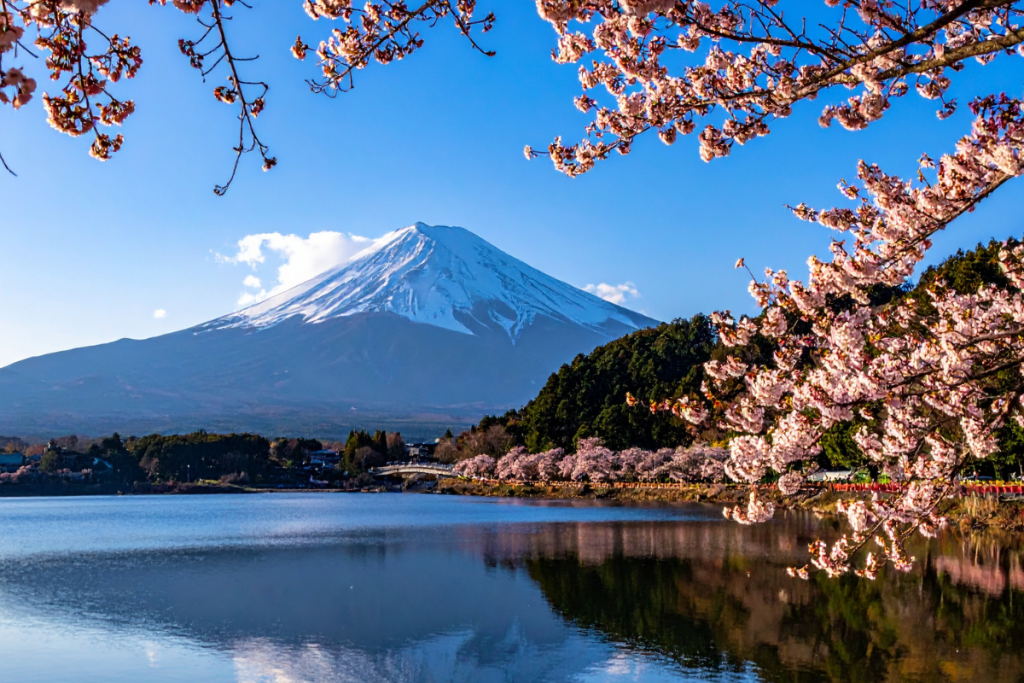
The best views of Mount Fuji are often from Lake Kawaguchi, where the mountain reflects beautifully over the water on clear days. The climbing season typically runs from July to early September, attracting hikers from around the world who attempt the overnight ascent to watch the sunrise from the summit.
Even if you do not climb it, Mount Fuji is worth including in your itinerary for its surrounding lakes, hot springs, and panoramic viewpoints. Here’s the best 2-day itinerary on Mount Fuji.
Top 5 Things to Do in Japan
Experience Japanese Culture Through Temples and Shrines
Visiting temples and shrines is one of the most immersive ways to understand Japanese culture. In Kyoto, temples like Ryoan-ji with its famous rock garden, or Kiyomizu-dera perched on a hillside overlooking the city, offer both spiritual insight and architectural marvels.
Tokyo’s Meiji Shrine, set within a forested area, provides a peaceful retreat from the city’s chaos. Participating in rituals such as cleansing at a temizuya (water pavilion) or observing seasonal festivals allows visitors to engage with centuries-old traditions in a meaningful way.
Explore Japan’s Culinary Scene
Japanese cuisine is globally renowned, and exploring it is essential to experiencing the country. Sushi in Tsukiji or Toyosu markets, ramen from tiny local shops, and kaiseki meals that showcase seasonal ingredients are just the beginning. Osaka’s street food culture, including takoyaki and okonomiyaki, contrasts beautifully with the refined dining experiences in Kyoto. Be sure to check out my article on Tokyo Food Guide: The Best Sushi Bars and Ramen Shops.
For hands-on experiences, visitors can participate in cooking classes to learn how to make sushi rolls, tempura, or wagashi, traditional Japanese sweets, gaining a deeper appreciation for the artistry behind Japanese food.
Discover the Countryside and Scenic Nature
Japan’s natural landscapes are diverse and dramatic. The Japanese Alps, spanning Nagano and Gifu, offer hiking trails, hot springs, and picturesque villages such as Shirakawa-go, known for its traditional gassho-zukuri houses.
Coastal areas such as the Noto Peninsula provide rugged cliffs and peaceful fishing villages, while the tropical islands of Okinawa feature coral reefs, sandy beaches, and Ryukyuan culture distinct from mainland Japan.
Participate in Festivals and Seasonal Events
Japan’s festivals reflect deep cultural traditions and seasonal awareness. The cherry blossom festivals in spring attract visitors to parks, riversides, and castle grounds for hanami (flower viewing) picnics. In summer, the Gion Matsuri in Kyoto and the Nebuta Matsuri in Aomori showcase elaborate floats, processions, and local community celebrations.
Winter festivals like the Sapporo Snow Festival feature intricate ice and snow sculptures, lighting up Hokkaido with creativity and charm. Participating in these events offers a window into Japanese social life and community spirit.
Stay in Traditional Accommodations
Experiencing Japanese hospitality is incomplete without staying in a ryokan, a traditional inn offering tatami-mat rooms, futons, and communal baths. Ryokans often include kaiseki meals, which are multi-course dinners that highlight seasonal ingredients.
Onsen towns such as Hakone, Beppu, and Noboribetsu allow visitors to relax in natural hot springs, often with stunning mountain or ocean views. These experiences provide insight into the Japanese appreciation for harmony, relaxation, and connection with nature.
Best Time to Visit Japan
Japan is a year-round destination, but the experience changes dramatically depending on the season. In this Japan travel guide, we will discuss the seasonal changes in weather, crowds and costs, so that you know what to expect.
Spring
Spring, from March to May, is one of the most popular times to visit due to the cherry blossoms. Temperatures typically range from 10°C to 20°C, and cities like Tokyo, Kyoto, and Osaka become filled with sakura blooms. However, this is also peak tourist season, so accommodation prices are higher and major parks can become crowded, especially during peak bloom weeks.
Summer
Summer, from June to August, is warm and humid, with temperatures often exceeding 30°C in many regions. This is also festival season, with fireworks displays and cultural events happening across the country. While cities can feel hot, this is a great time to explore Hokkaido, where the climate is much cooler and ideal for outdoor activities.
Autumn
Autumn, from September to November, is considered one of the best times to visit. The weather is comfortable, typically between 15°C and 25°C, and the country transforms with vibrant autumn foliage. Kyoto in particular becomes especially scenic during this time, with temples surrounded by red and orange maple leaves.
Winter
Winter, from December to February, is ideal for skiing in regions like Hokkaido and the Japanese Alps. Cities like Tokyo and Kyoto remain relatively dry and clear, making sightseeing pleasant. It is also a good time for hot springs, especially in snow-covered mountain towns.
Pro Travel Tips for Japan
- Using a Japan Rail Pass is highly recommended for intercity travel, as it provides unlimited access to Shinkansen bullet trains and regional trains, offering convenience and cost savings.
- In cities, public transportation is punctual, clean, and extensive, with IC cards like Suica or Pasmo streamlining subway and bus journeys.
- Cash is widely used, so carrying Japanese Yen, especially in smaller towns, is advisable, though cards are accepted in larger cities.
- Respecting local etiquette, such as removing shoes in homes and ryokans, queuing in an orderly manner, and maintaining quiet on public transport, is essential.
- For technology and connectivity, prepaid SIM cards or pocket Wi-Fi devices provide reliable internet access throughout the country.
- Convenience stores like 7-Eleven, FamilyMart, and Lawson are extremely useful for quick meals, ATM access, and essentials.
- Planning day trips to rural or mountainous regions requires careful timing, especially in winter, to account for weather and transport schedules.
Frequently Asked Questions About Travelling to Japan
Is Japan expensive to travel in?
Japan can accommodate a range of budgets. Budget travellers can spend around 50 to 80 USD per day using hostels, local transport, and casual dining. Mid-range travellers typically spend 120 to 250 USD per day, including boutique hotels, domestic flights, and guided tours.
Luxury travellers can experience high-end ryokans, private Shinkansen journeys, and fine dining, especially in cities like Tokyo, Kyoto, and Osaka. Discover more on my article, The Best Hotels in Tokyo (Shibuya & Shinjuku For Every Budget).
How do you get around Japan?
Japan’s transport network is extensive and efficient. The Shinkansen is the fastest option for long distances, while local trains and buses serve city and suburban areas. IC cards simplify subway and bus travel. Domestic flights are useful for reaching Hokkaido or Okinawa. Walking and cycling are also convenient in many historic towns.
How long should you spend in Japan?
A well-paced itinerary typically ranges from 10 days to three weeks. Ten to fourteen days allow for Tokyo, Kyoto, Osaka, and a day trip to Hiroshima or Nara. Longer trips enable exploration of Hokkaido, Okinawa, and the Japanese Alps.
Is Japan safe for solo travellers?
Japan is one of the safest countries in the world. Violent crime is rare, and cities are generally safe even at night. Petty theft can occur, but overall, Japan is highly safe. Observing local etiquette, securing belongings, and following transport rules ensures a smooth experience.
What are some hidden gems in Japan?
Beyond the well-known cities, places like Kanazawa, with its historic districts and Kenrokuen Garden, or Takayama, known for traditional wooden houses and festivals, offer quieter, authentic experiences. Yakushima Island, with its ancient cedar forests, is perfect for nature lovers seeking off-the-beaten-path adventures.
Plan Your Trip with This Japan Travel Guide
Japan is a country that rewards curiosity. Whether you are wandering through neon-lit city streets, standing beneath ancient temple gates, or relaxing in a steaming mountain onsen, every moment feels intentional and meaningful. The diversity of experiences means no two trips to Japan are ever the same.
This Japan travel guide is designed to help you start shaping your journey with clarity and inspiration. If you want more detailed travel insights, itineraries, and real travel experiences, you can explore more on my blog, Travel For Phoebe, where I share in-depth guides and personal travel stories. You can also find visual travel inspiration and practical tips on my YouTube channel, where destinations come to life before you even arrive.
Start planning your trip, follow your curiosity, and get ready to experience Japan in a way that stays with you long after you return home.
You Might Also Be Interested In:
Make the most of vibrant Tokyo and Kyoto: a first-timer’s guide
The Best SIM Cards and eSIMs for Japan
How to pack for your trip to Japan (Essential tips!)