
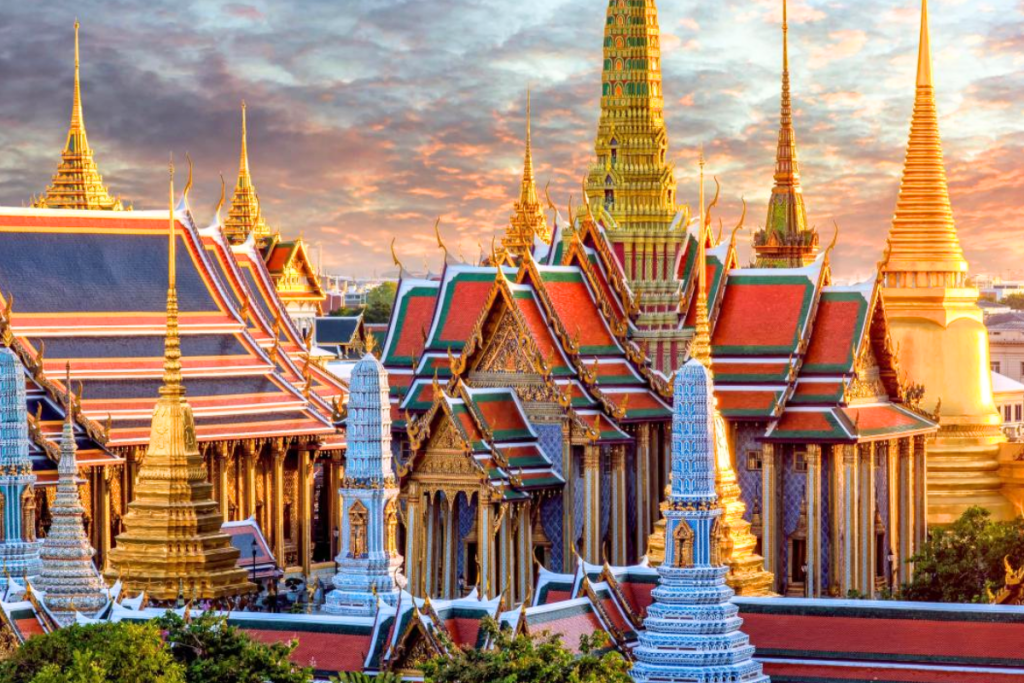
Thailand may just be one of the easiest countries in the world to travel to for the first time, and honestly, I think that is part of what makes it so special. The food is incredible, the people are warm and welcoming, the beaches are stunning, and your money stretches much further than you expect.
Hi, I’m Phoebe Lee from Travel For Phoebe, and after travelling to Thailand more times than I can count, I’ve realised that while Thailand is incredibly beginner-friendly, there are still a few things that catch almost every first-time visitor off guard.
From visas and weather to cultural etiquette and the apps that genuinely make travel easier, these are the Thailand travel tips I wish I knew before my first trip.
Thailand Visa and Entry Requirements
One of the reasons I love travelling to Thailand is that entering the country is usually very straightforward. For many Western passports, including travellers from Australia, the UK, Europe, and the US, Thailand offers visa-free entry for up to 60 days without needing to organise a visa in advance. You simply arrive, go through passport control, get your passport stamped, and you are in.
If you decide you want to stay longer, you can usually apply for a 30-day extension at an immigration office for a small fee. I still recommend checking the latest Thailand visa requirements before you travel because rules can change quite quickly.
One thing that confuses a lot of first-time visitors is Bangkok’s two airports. Suvarnabhumi Airport is the city’s main international airport, while Don Mueang Airport is commonly used for budget airlines and domestic flights like AirAsia and Nok Air. If you are booking transfers or connecting flights, double-check which airport you are flying into and out of because they are on opposite sides of the city.
In my experience, entering Thailand is generally smooth and efficient, but Bangkok airports can become incredibly busy during peak travel periods, especially around Christmas, New Year, and Songkran, so always allow extra time.
The Best Time to Visit Thailand
Timing really matters in Thailand, especially if you are planning island trips.
For me, November to April is the most beautiful time to visit Thailand. The weather is usually sunny, dry, and perfect for beach days, island hopping, rooftop bars, and exploring temples in Chiang Mai without getting drenched in rain. It is also peak season, though, which means higher hotel prices and busier tourist areas, especially in places like Phuket, Krabi, and Koh Samui.
Personally, I think May and October are underrated months to visit. You can still get plenty of sunshine, but with fewer crowds and noticeably better hotel prices.
June to September is considered the wet season. That does not mean your trip will be ruined, but heavy rain can affect ferries, boat tours, diving conditions, and island transfers. I have had days where Phuket was all blue skies while Koh Samui was experiencing nonstop rain.
That is something many first-time travellers do not realise. Thailand’s weather varies depending on which coastline you visit. The Andaman Coast, including Phuket, Krabi, and Koh Phi Phi, follows a different weather pattern compared to the Gulf islands like Koh Samui, Koh Phangan, and Koh Tao.
And if you ever get the chance to visit in April, you will experience Songkran, Thailand’s famous water festival. Trust me, you are going to get soaked no matter how hard you try not to.
How Expensive Is Thailand?
One of the reasons I keep returning to Thailand is that it genuinely offers incredible value for money. You can travel there on a backpacker budget or travel full luxury and still feel like you are getting amazing value compared to many Western countries.
Street food costs just a few dollars. Grab rides are affordable. Domestic flights between places like Bangkok, Chiang Mai, and Phuket are surprisingly cheap. And even luxury hotels often cost far less than they would in places like Australia, Europe, or the US.
For budget travellers, you could comfortably travel on around AUD 30 to 50 per day. For a more comfortable mid-range experience with nicer hotels and activities, I would budget around AUD 80 to 150 per day. And if you want luxury, Thailand does luxury exceptionally well without the eye-watering prices you often find elsewhere.
Cash or Card?
Thailand is still very cash-based, especially when it comes to street food stalls, local markets, tuk tuks, beach bars, and smaller businesses.
ATMs are everywhere, but they usually charge withdrawal fees, so I normally take out larger amounts less frequently instead of making small withdrawals all the time.
Hotels, shopping centres, rooftop bars, and larger restaurants generally accept cards without any issues.
Internet, SIM Cards, and eSIMs
One thing I really appreciate about Thailand is how easy it is to stay connected.
Personally, I prefer using a Thailand eSIM before I travel because I like landing with the internet already working on my phone. It removes so much stress, especially if you arrive late at night or need to organise transport from the airport.
A lot of travellers buy local SIM cards at airport kiosks from providers like AIS, DTAC, or TrueMove, which are also very easy to set up. I have just always preferred getting everything sorted before departure.
The Apps I Always Use in Thailand
There are a few apps I genuinely consider essential whenever I travel around Thailand.
- Grab is completely non-negotiable for me. I use it constantly for transport because it makes pricing transparent and helps avoid taxi scams or awkward fare negotiations.
- Google Maps works incredibly well throughout Thailand and makes navigating cities, train stations, cafes, and night markets so much easier.
- I use WhatsApp regularly to communicate with hotels, drivers, and tour guides, but LINE is also extremely popular in Thailand, and many local businesses use it.
- Agoda is usually where I book hotels, while Klook is my go-to for attraction tickets, airport transfers, private drivers, and tours like island-hopping trips or cooking classes.
These small tools genuinely make a big difference when it comes to Thailand travel tips that actually improve your trip day to day.
Getting Around in Thailand
Transport in Thailand is, honestly, much easier than people expect. Bangkok’s BTS Skytrain and MRT systems are clean, affordable, air-conditioned, and perfect for avoiding the city’s traffic.
For everything else, I usually use Grab. And yes, you absolutely need to ride in a tuk-tuk at least once while you are in Thailand. It is part of the experience. Just make sure you agree on the price before you get in.
If you are travelling between cities, domestic flights are usually the fastest option. Airlines like AirAsia, Thai VietJet, and Bangkok Airways make it easy to move around the country quickly.
That said, I also recommend trying an overnight sleeper train at least once, especially the Bangkok to Chiang Mai route, because it is such a memorable experience.
Cultural Etiquette and Safety Tips
Thailand has always felt very safe to me, but cultural respect is incredibly important there.
- If you are visiting temples in Thailand, you need to cover your shoulders, knees, and midriff. I usually carry a lightweight scarf or sarong because the weather is hot, and it is easy to throw on when needed.
- Another thing visitors are often surprised by is how frequently you remove your shoes. At temples, some massage shops, local guesthouses, and certain restaurants, taking your shoes off is completely normal.
- And when it comes to monks, I always make sure to be respectful, give them space, and avoid physical contact.
- It is also important to show respect towards the Thai royal family because it is taken very seriously in Thailand.
Common Scams to Avoid in Thailand
Thankfully, I have never really been scammed in Thailand apart from probably overpaying for a tuk-tuk once or twice. But there are still a few common scams travellers should know about.
- If somebody tells you a major attraction like the Grand Palace is closed and offers to take you somewhere else instead, it is usually a scam.
- If someone offers you a cheap tuk-tuk “hidden gems” tour, avoid it because it often involves being taken to souvenir shops where drivers earn commissions.
- And if you rent a jet ski or scooter, always film the condition of the vehicle beforehand because damage disputes are common in some tourist areas.
I also strongly recommend using Grab or pre-booked airport transfers instead of negotiating with random taxi drivers outside airports.
What I Pack for Thailand
Thailand is hot and humid, so lightweight, breathable clothing is everything.
I mostly pack:
- Shorts
- Breathable tops
- Dresses
- Swimwear
- Sandals
- Sunscreen
- Mosquito repellent
- A hat
- Lightweight temple cover-ups
I also always bring a waterproof bag for island trips and a small medicine kit with basic essentials, just in case.
And honestly, do not overpack because the shopping in Thailand is amazing. Between Bangkok markets, Chiang Mai boutiques, and beachwear shops on the islands, you will probably end up bringing half a suitcase of new things home anyway.
Thailand Travel Insurance
I cannot stress this enough. Please get travel insurance. I have had situations while travelling where I genuinely needed it, and not having to worry about hospital bills or emergency transport made an enormous difference.
Travel insurance is one of those things you hope you never use, but when you need it, you will be incredibly grateful you have it.
Is Thailand Safe for Solo Travel?
Absolutely. Thailand is honestly one of the best destinations in the world for solo travel. It is easy to navigate, affordable, social, and filled with other travellers from all over the world.
That said, I know solo travel in Thailand can feel intimidating if it is your first big trip. If that is the case, guided tours can be an amazing option, especially in busy cities like Bangkok, where things can initially feel overwhelming.
Hostels, cafes, cooking classes, diving schools, and island tours also make it incredibly easy to meet people.
What These Thailand Travel Tips Really Come Down To
If you are planning your first trip to Thailand, my biggest advice is this. Do not overcomplicate it.
Plan enough to stay organised and safe, but leave room for spontaneity because some of my favourite memories in Thailand happened when I least expected them.
And if you are sitting there wondering whether Thailand is worth visiting, trust me, this is your sign to book the trip.
For more guides, itineraries, and honest Thailand travel tips, visit my blog Travel For Phoebe and subscribe to my YouTube channel for travel vlogs, tips, and destination guides from around the world.
You Might Also Be Interested In:
The Best Places to Visit in Thailand for Every Type of Traveller
Your Ultimate Thailand Travel Guide: Best Places, Activities, and Travel Tips